
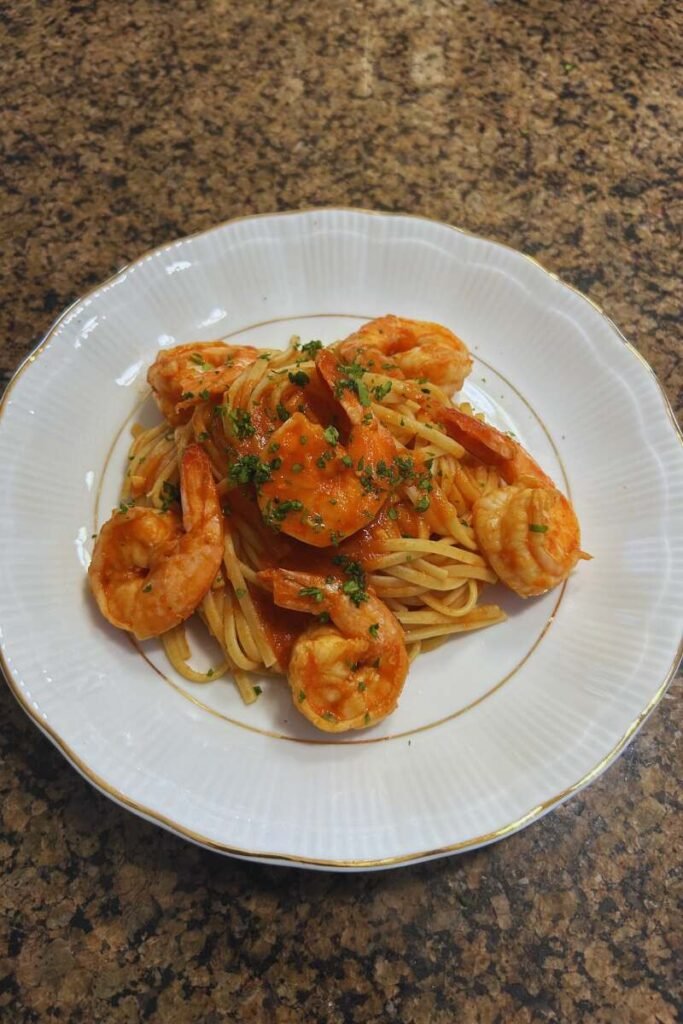
This Italian-inspired Shrimp Linguine with Tomato, White Wine & Capers recipe combines sweet, tender shrimp with a vibrant tomato sauce enriched by white wine, garlic, capers, and a touch of heat from chili flakes. The dish exemplifies the southern Italian approach to seafood pasta: quick-cooking shrimp are briefly seared to preserve their delicate texture, then finished in a flavorful sauce that clings to long strands of linguine.
The technique of adding starchy pasta water at the end creates a silky, emulsified sauce that coats every strand rather than pooling at the bottom of the bowl. Fresh parsley and a final drizzle of raw olive oil provide brightness and richness that elevate the dish from simple weeknight dinner to restaurant-quality fare.
Understanding Italian Seafood Pasta Principles
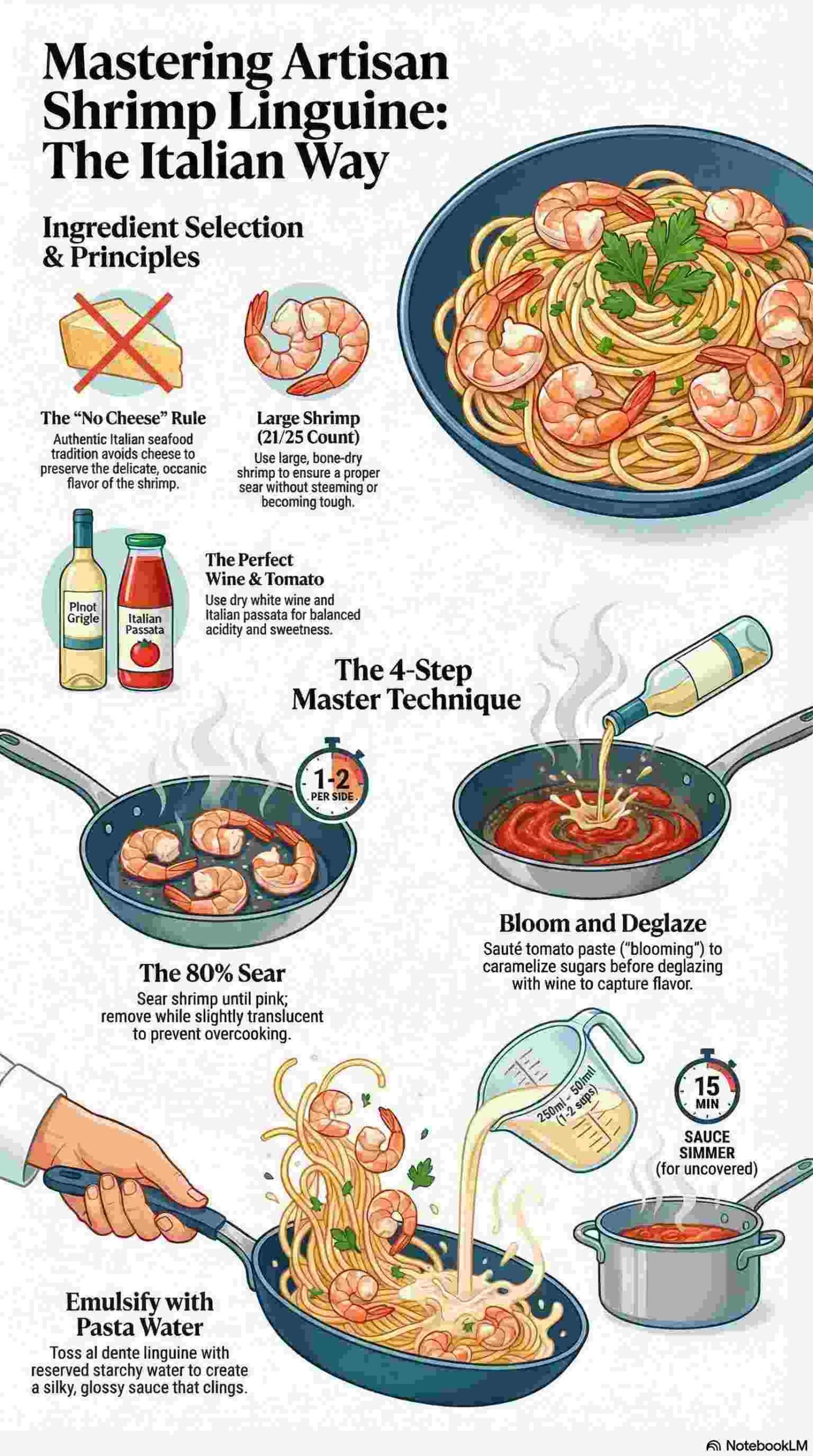
Italian coastal cuisine treats seafood with reverence and restraint, cooking it minimally to preserve its delicate flavor and texture. Seafood pastas typically avoid cheese (considered incompatible with fish and shellfish in Italian tradition) and rely instead on quality olive oil, aromatics, wine, and sometimes tomatoes to create complex flavors. The pasta itself becomes as important as the seafood, providing substance and texture while serving as a vehicle for the sauce.
Linguine, with its flat, ribbon-like shape and slightly rough texture, captures sauce beautifully while remaining delicate enough not to overpower sweet shrimp. The cooking technique of finishing the pasta directly in the sauce, rather than simply topping cooked pasta with sauce, allows the flavors to integrate completely and creates the glossy, cohesive consistency that distinguishes excellent Italian pasta from mediocre versions.
Ingredients
Shrimp Pasta with Tomato Sauce
Ingredients
For the Shrimp and Sauce- 40 large shrimp (approximately 1kg total), peeled and deveined
- 4 to 5 tablespoons extra virgin olive oil, divided
- 3 garlic cloves, finely minced
- ½ teaspoon red chili flakes (adjust to taste)
- 1 tablespoon tomato paste
- 150ml dry white wine
- 350ml passata (strained tomato purée)
- 1 bay leaf
- 1 tablespoon capers, drained
- Salt to taste
- Freshly ground black pepper
- 500g linguine
- Salt for pasta water (approximately 2 tablespoons)
- Reserved pasta cooking water (250 to 500ml)
- 3 to 4 tablespoons fresh flat-leaf parsley, finely chopped
- 2 to 3 tablespoons high-quality extra virgin olive oil for finishing
Ingredient Selection and Quality
Shrimp Selection and Preparation
Quality shrimp makes the difference between excellent and mediocre seafood pasta. Large shrimp (often labeled 21/25 or 26/30, indicating the number per pound) provide substantial texture without being tough. Fresh shrimp offers superior flavor and texture to frozen, though high-quality frozen shrimp that’s been properly thawed works acceptably.
Look for shrimp that smells clean and oceanic, never fishy or ammonia-like. The flesh should appear translucent and firm, not mushy or discolored. Wild-caught shrimp generally offers better flavor than farmed, though sustainable farming practices have improved farmed shrimp quality considerably in recent years.
Peeling and deveining: Purchase shrimp already peeled and deveined to save time, or do it yourself. To devein, make a shallow cut along the back and remove the dark vein (actually the digestive tract). Some cooks leave the tails on for presentation, though removing them makes eating easier.
Thawing frozen shrimp: If using frozen shrimp, thaw it slowly in the refrigerator overnight, or place it in a colander under cold running water for 15 to 20 minutes. Never use hot water or the microwave, which degrades texture. Pat the thawed shrimp completely dry with paper towels before cooking to ensure proper searing. According to the Seafood Nutrition Partnership, shrimp provides excellent lean protein and beneficial nutrients when properly prepared.
White Wine Selection
The 150ml of white wine adds acidity, aromatic complexity, and helps deglaze the pan to capture flavorful browned bits. Choose a dry white wine you would enjoy drinking. Excellent options include:
- Pinot Grigio for clean, crisp character
- Sauvignon Blanc for bright acidity
- Vermentino or Falanghina for Italian authenticity
- Unoaked Chardonnay for fuller body
Avoid sweet wines, heavily oaked wines (which become bitter when reduced), and “cooking wines” containing added salt and inferior quality grapes.
Tomato Products
Tomato paste provides concentrated tomato flavor and natural glutamates that enhance umami character. Cooking the paste briefly before adding liquid caramelizes its sugars and deepens its flavor, a technique called “blooming” that significantly improves the final sauce.
Passata (strained tomato purée) offers smooth consistency and pure tomato flavor without seeds or chunks. Italian passata, particularly from San Marzano tomatoes, provides superior sweetness and low acidity. Choose passata with minimal ingredients (ideally just tomatoes and perhaps salt), avoiding products with added citric acid, sugar, or preservatives.
Capers
Capers contribute briny, slightly floral flavor that complements seafood beautifully. Capers packed in brine are convenient and ready to use after draining. Salt-packed capers (if available) offer superior flavor but require rinsing before use. Smaller capers (nonpareil) are more delicate and prized, though standard capers work perfectly well in cooked sauces.
Pasta Selection
Quality dried linguine made from durum wheat semolina provides the foundation for this dish. Italian brands like De Cecco, Barilla, or Garofalo offer reliable quality. The linguine’s flat shape and slightly rough texture (from bronze dies used in quality pasta production) helps sauce adhere better than smooth, Teflon-die pasta.
Cook the pasta to al dente (literally “to the tooth”), which means tender but still offering slight resistance when bitten. Undercooked pasta at draining time is essential, as it finishes cooking in the sauce and absorbs flavor.
Olive Oil Quality
This dish uses olive oil in two applications: cooking and finishing. For cooking, use good extra virgin olive oil, though it need not be your finest bottle. For the final raw drizzle, use the best quality extra virgin olive oil you have, as its flavor will be prominently featured. Look for fresh oil (harvest date within the past year) with fruity, complex character.
Fresh Parsley
Flat-leaf (Italian) parsley is essential. Curly parsley has inferior flavor and tougher texture. The parsley added at the end provides fresh, herbaceous brightness that balances the rich sauce. Chop it finely just before using to preserve maximum color and flavor.
Method
Sear the Shrimp
1. Prepare the shrimp: Pat the peeled and deveined shrimp completely dry with paper towels. Moisture on the surface prevents proper searing and causes steaming instead. Season the shrimp lightly on both sides with salt and a few grinds of black pepper.
2. Heat the pan: Place a large, deep sauté pan or skillet (at least 30cm/12 inches in diameter) over medium-high heat. Add 2 to 3 tablespoons of extra virgin olive oil and heat until it shimmers and flows easily across the pan but doesn’t smoke.
3. Sear the shrimp: Working in batches if necessary to avoid overcrowding (overcrowding lowers pan temperature and causes steaming), add the shrimp in a single layer. Cook undisturbed for 1 to 2 minutes until the bottom develops pink-orange color. Flip and cook the second side for another 1 to 2 minutes until just pink. The shrimp should be approximately 80% cooked, still slightly translucent in the very center. They will finish cooking later in the sauce.
4. Remove and reserve: Transfer the seared shrimp to a plate. Don’t worry about any bits that stick to the pan; these flavorful browned deposits (fond) will flavor the sauce.
Build the Aromatic Base
1. Add oil if needed: If the pan appears dry, add another tablespoon or two of olive oil. Reduce the heat to medium.
2. Cook aromatics: Add the minced garlic and red chili flakes to the pan. Cook, stirring constantly, for approximately 30 seconds until the garlic becomes fragrant and just begins to turn golden. Watch carefully, as garlic burns easily and becomes bitter. The residual heat from the pan will continue cooking the garlic even after you add the next ingredient, so work quickly.
3. Bloom the tomato paste: Add the tablespoon of tomato paste directly to the garlic and chili. Stir constantly and cook for 1 to 2 minutes until the paste darkens slightly and smells sweeter, less raw. This “blooming” step caramelizes the paste’s sugars and concentrates its flavor, creating depth that uncooked tomato paste cannot provide.
Deglaze and Simmer
1. Deglaze with wine: Pour in the 150ml white wine. The wine will bubble vigorously as it hits the hot pan. Immediately use a wooden spoon or spatula to scrape the bottom of the pan vigorously, loosening all the browned bits stuck there. These concentrated flavor deposits dissolve into the wine, enriching the sauce.
2. Reduce the wine: Let the wine simmer steadily for 3 to 5 minutes until it reduces by approximately half. The alcohol will evaporate while the wine’s flavors concentrate. The mixture should smell aromatic and complex, not harsh or overly alcoholic.
3. Add tomatoes and aromatics: Stir in the 350ml passata, 1 tablespoon drained capers, and the bay leaf. Season lightly with salt (start conservatively, as the capers contribute salt and you can adjust later). Reduce the heat to maintain a gentle simmer.
4. Simmer the sauce: Let the sauce simmer gently, uncovered, for approximately 15 minutes, stirring occasionally. During this time, the sauce will thicken slightly as water evaporates, the flavors will meld and concentrate, and the raw tomato taste will cook out, leaving sweet, complex tomato character. The sauce should reduce to a consistency that coats a spoon lightly but remains saucy rather than thick and paste-like.
Cook the Pasta
1. Boil water: While the sauce simmers, bring a large pot of water (at least 4 to 5 liters) to a rolling boil. Add approximately 2 tablespoons of salt. The water should taste noticeably salty, similar to seawater. Properly salted pasta water seasons the pasta from within and contributes to proper sauce consistency later.
2. Cook the linguine: Add the 500g linguine to the boiling water and cook according to package directions for al dente, typically 8 to 10 minutes. Stir occasionally to prevent sticking. The pasta should be tender but still offer slight resistance when bitten, with a barely visible white core in the center when broken.
3. Reserve pasta water: Before draining, use a measuring cup or ladle to scoop out and reserve 250 to 500ml (1 to 2 cups) of the starchy pasta cooking water. This liquid is essential for finishing the dish properly. The dissolved starch helps bind the sauce to the pasta and creates glossy, cohesive consistency.
4. Drain the pasta: Drain the linguine in a colander but do not rinse it. Rinsing removes the surface starch that helps sauce adhere.
Finish and Combine
1. Return shrimp to sauce: Add the partially cooked shrimp back to the simmering sauce along with any juices that accumulated on the plate. Cook gently for 2 to 3 minutes, stirring occasionally, until the shrimp are just cooked through. They should be opaque throughout, pink-orange in color, and slightly firm but not rubbery. Overcooked shrimp become tough and chewy, so watch carefully. The shrimp are done when they curl into a loose C shape and feel firm when pressed gently.
2. Add pasta and emulsify: Add the drained linguine directly to the pan with the sauce and shrimp. Using tongs or a large fork, toss everything together, coating the pasta thoroughly with sauce. Add the reserved pasta water in 60ml (¼ cup) increments, tossing constantly, until the sauce reaches perfect consistency. It should be glossy, coat the pasta evenly, and look slightly loose rather than thick or dry. The starch in the pasta water emulsifies with the oil in the sauce, creating silky, cohesive texture that clings to every strand. You may not need all the reserved water, or you might need slightly more depending on the sauce’s thickness.
3. Taste and adjust: Taste the pasta and adjust seasoning with additional salt if needed. The dish should taste balanced: sweet from the shrimp and tomatoes, acidic from the wine and tomatoes, briny from the capers, spicy from the chili, and rich from the olive oil.
4. Final touches: Remove the bay leaf and discard it. Turn off the heat. Drizzle 2 to 3 tablespoons of your best quality extra virgin olive oil over the pasta and toss gently to incorporate. This final raw oil adds richness and brings fresh, fruity olive character that cooked oil cannot provide. Sprinkle the finely chopped fresh parsley over the entire dish and toss once more.
Serve
Transfer the linguine and shrimp to serving bowls or a large serving platter. Make sure each portion receives equal amounts of shrimp and sauce. Serve immediately while hot. Provide additional red chili flakes at the table for those who prefer more heat.
Technical Notes on Success
Several factors determine whether this dish achieves tender shrimp and perfectly sauced pasta:
Don’t overcook the shrimp: Shrimp cooks very quickly. Searing it initially to only 80% done, then finishing briefly in the sauce, ensures it remains tender. Overcooked shrimp becomes rubbery and unpleasant.
Dry shrimp thoroughly before searing: Moisture prevents browning and causes steaming. Pat completely dry.
Build flavor through technique: Blooming the tomato paste, deglazing thoroughly, and allowing proper simmering time creates complex sauce from simple ingredients.
Finish pasta in the sauce: This Italian technique (mantecare) creates integration between pasta and sauce that simply topping cooked pasta cannot achieve.
Pasta water is essential: The starchy water emulsifies the sauce and adjusts consistency. Don’t skip reserving it.
Add pasta water gradually: Too much at once makes the sauce soupy. Add in small increments, tossing constantly.
Final raw olive oil matters: This finishing drizzle adds a layer of fresh, fruity richness that cooked oil cannot provide.
Serve immediately: Seafood pasta waits for no one. Serve as soon as it’s ready for best texture and temperature.
Serving Suggestions
This dish serves 4 to 6 people as a main course. Serve it as Italians do: as a primo (first course) before a lighter secondo (second course), or as the main event for a lighter meal.
Accompaniments: Crusty bread for soaking up any remaining sauce, a simple green salad with lemon vinaigrette, or roasted vegetables.
Wine pairings: Serve the same white wine used in cooking, or choose another crisp, dry white. Vermentino, Greco di Tufo, Falanghina, or Pinot Grigio all complement the seafood beautifully. Avoid red wine, which traditionally doesn’t pair with seafood in Italian cuisine.
Table setting: Provide pasta bowls rather than flat plates to contain the sauce. Have extra napkins available, as this dish can be delightfully messy to eat.
Variations and Adaptations
This fundamental technique accommodates numerous variations:
Different seafood: Replace or supplement shrimp with scallops, mussels, clams, squid, or a combination for frutti di mare (seafood mix).
Cherry tomatoes: Add halved cherry tomatoes with the passata for bursts of fresh tomato flavor and textural interest.
Fresh tomatoes: In summer, replace passata with fresh tomatoes (peeled, seeded, and chopped) for lighter, brighter character.
Lemon addition: Add lemon zest with the garlic and finish with a squeeze of lemon juice for extra brightness.
Cream variation: Stir in 125ml (½ cup) heavy cream at the end for richer, more luxurious sauce (less traditional but delicious).
Herb changes: Replace parsley with fresh basil or add both for different aromatic character.
Spice adjustments: Increase chili flakes for more heat, or omit for milder preparation.
Different pasta shapes: Spaghetti, fettuccine, or pappardelle work well if linguine is unavailable.
Anchovy depth: Add 2 to 3 anchovy fillets with the garlic for umami richness.
Olives addition: Include halved olives with the capers for additional Mediterranean character.
Storage and Reheating
Seafood pasta is best consumed immediately but can be stored briefly:
Refrigeration: Cool completely and store in an airtight container for up to 1 day. The shrimp texture degrades with storage and reheating.
Reheating: Reheat gently in a pan over low heat with a splash of water or wine to loosen the sauce. Avoid microwave reheating if possible, as it overcooks the shrimp.
Freezing: Not recommended, as shrimp texture becomes rubbery and unpleasant after freezing and reheating.
Cultural Context and Italian Seafood Traditions
This shrimp linguine represents coastal Italian cooking, where fresh seafood combines with simple preparations to showcase ingredients rather than mask them. Italian seafood pasta traditions emphasize minimal cooking times, no cheese (considered incompatible with fish), and bright, clean flavors that honor the sea.
The technique of finishing pasta in sauce rather than simply topping it reflects Italian understanding that pasta and sauce should unite into a single, cohesive dish. This approach requires slightly more attention than simply boiling pasta and adding sauce, but produces incomparably superior results that justify the minimal extra effort.
This shrimp linguine demonstrates how proper technique elevates simple ingredients into something refined. The contrast between sweet shrimp and tangy tomato sauce, the heat from chili, the brine from capers, and the richness from olive oil, all clinging to perfectly cooked linguine, creates a dish that satisfies on multiple levels while remaining fundamentally straightforward. It’s cooking that respects ingredients and tradition while delivering restaurant-quality results from a home kitchen.