
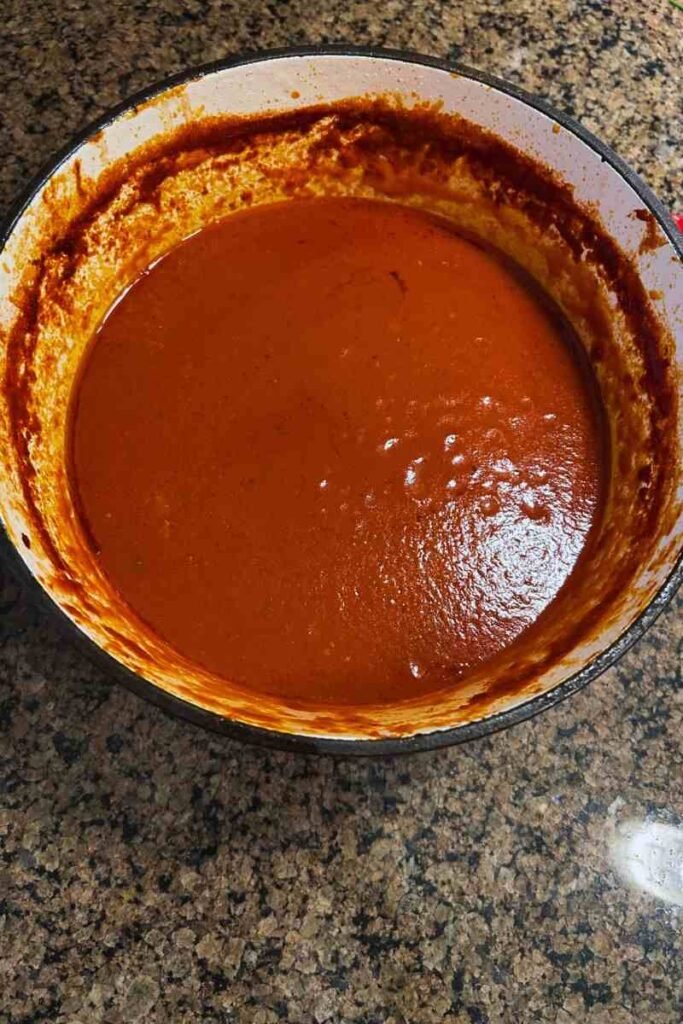
There’s a reason Italian grandmothers spend Sunday mornings tending to simmering pots of tomato sauce, because some things genuinely can’t be rushed. But here’s what they understand that most people miss: a truly great Italian tomato sauce doesn’t need twenty ingredients or complicated techniques. It needs good tomatoes, proper browning, patient simmering, and that’s basically it.
This recipe uses Mutti passata as the base, which is simply strained tomatoes, no added herbs, no seasoning, just pure tomato pulp. It’s the closest thing to crushing fresh tomatoes yourself without actually having to crush fresh tomatoes. Combined with optional browned pork sausage or bones, this creates a rich, deeply flavored sauce that transforms basic pasta into something memorable.
The key is time. Not active time, you’re not standing over the stove constantly. But the sauce needs to simmer gently for at least an hour, preferably two, to develop that sweet, concentrated flavor that makes you understand why people get emotional about their grandmother’s sauce 🙂.
Ingredients
Ingredients for Tomato Sauce
For the sauce:- 700g Mutti passata (strained tomatoes)
- 156ml tomato paste (about 2/3 cup)
- 15ml extra virgin olive oil (1 tablespoon)
- 1 onion, finely chopped
- 1 fresh chili pepper or 1/2 tablespoon chili flakes
- 3 bay leaves
- Salt, to taste
- Pinch of baking soda (only if needed for acidity)
- 400-500g Italian pork sausage (sweet or hot) OR
- 400-500g pork bones (neck bones work well)
Why This Method Works
Before we start cooking, let’s talk about what makes this technique produce consistently excellent results, because understanding the “why” makes you a better cook.
Browning the meat first is fundamental to flavor development. When you sear pork sausage or bones in a hot pan, you’re triggering the Maillard reaction, the chemical process that creates hundreds of flavor compounds through the interaction of proteins and sugars at high heat. Those browned bits stuck to your pan aren’t mess, they’re concentrated flavor that you’ll incorporate into your sauce through deglazing.
Cooking tomato paste before adding liquid is crucial. Raw tomato paste has a metallic, almost bitter edge. When you sauté it for 1-2 minutes in oil, you caramelize its natural sugars and mellow its acidity, transforming it from one-dimensional to deeply savory. This step adds umami and richness that raw tomato paste simply can’t provide.
Long, gentle simmering accomplishes multiple things. According to America’s Test Kitchen’s research on tomato sauce, slow cooking over 1.5-2 hours allows the sauce to concentrate, flavors to meld, and the meat (if using) to become fork-tender while infusing the sauce with richness. The sauce reduces, thickens, and develops complexity you simply can’t achieve in 20 minutes.
The baking soda trick for acidity adjustment is science, not magic. Baking soda is alkaline, so it neutralizes some of the acid in tomatoes, raising the pH and reducing that sharp, tangy bite. According to research on tomato acidity documented by The Splendid Table, just 1/4 teaspoon of baking soda can significantly mellow overly acidic sauce without adding sugar. The key is using tiny amounts, too much makes the sauce taste flat or even soapy.
Step-by-Step Instructions
Step 1: Brown the Meat (Optional But Recommended)
If you’re making this sauce with meat, start here. If you’re going vegetarian, skip to Step 2.
Heat a large, heavy pot or Dutch oven over medium-high heat. Add a tablespoon of olive oil and let it get hot but not smoking.
If using sausage, add the links whole or cut into large chunks. If using pork bones, add them in a single layer. Don’t crowd the pan, you want good contact with the hot surface for proper browning.
Let the meat sit undisturbed for 2-3 minutes to develop a good sear. Then turn and brown all sides, about 5-7 minutes total. You’re looking for deep golden-brown color, not just pale tan. Those dark spots are flavor.
Transfer the browned meat to a plate and set aside. Don’t clean the pot, those browned bits (fond) stuck to the bottom are liquid gold you’ll use later.
Step 2: Sauté the Onion
If your pot looks dry after removing the meat, add another small drizzle of olive oil. If there’s enough rendered fat from the sausage, use that, pork fat is flavor.
Add your finely chopped onion to the pot over medium heat. Cook, stirring occasionally, until soft and translucent, about 5-7 minutes. You’re not trying to caramelize them deeply, just soften them and cook off the raw bite.
The onions will pick up some of those browned bits from the pan bottom, which is exactly what you want. Stir them around to scrape up as much fond as possible.
Step 3: Add and Cook the Tomato Paste
Stir in your tomato paste. Cook it, stirring constantly, for 1-2 minutes. You’ll see it darken slightly and smell it become more aromatic as the sugars caramelize. This is a crucial step, don’t rush it. Raw tomato paste tastes metallic; cooked tomato paste tastes rich and complex.
The paste will stick to the bottom of the pan a bit, and that’s fine. Just keep stirring to prevent burning while encouraging that caramelization.
Step 4: Add Passata and Seasonings
Pour in your Mutti passata. Use a wooden spoon to scrape up all those stuck-on bits from the pan bottom, they’re dissolving into the sauce and bringing intense flavor with them.
Add your chili pepper (whole if fresh, or chili flakes if using dried) and bay leaves. If you’re using fresh chili, you can remove it later once it’s infused enough heat. If using flakes, they stay in.
Return your browned meat to the pot, nestling it into the sauce. Add just a pinch of salt at this point, you’ll adjust seasoning at the end, and the sauce will concentrate as it cooks.
Step 5: Simmer Low and Slow
This is where patience comes in. Bring the sauce to a gentle simmer, then reduce heat to low, you want barely bubbling, not aggressively boiling.
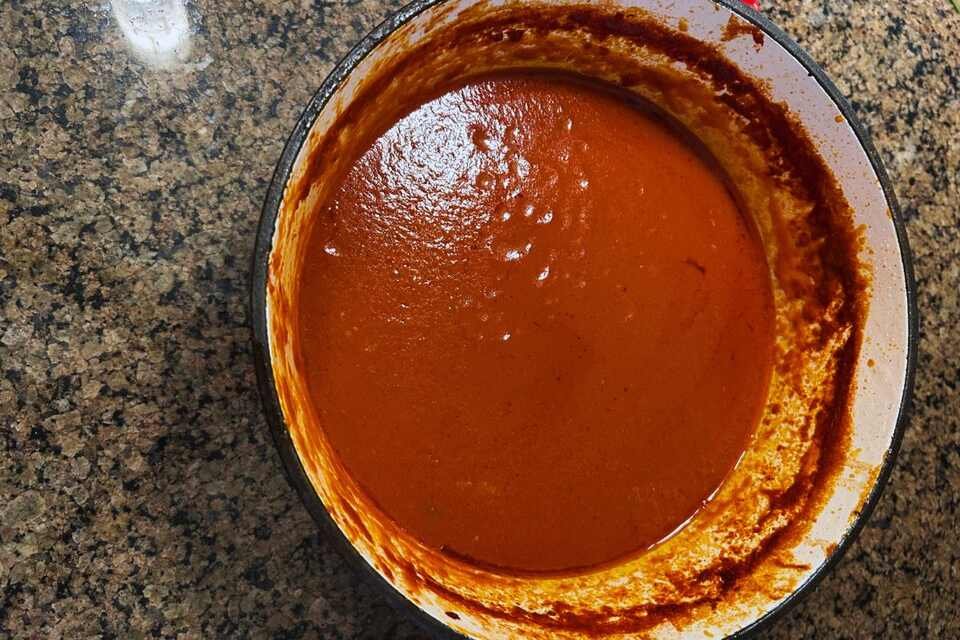
Let this simmer uncovered for 1-2 hours, stirring occasionally every 15-20 minutes. As it cooks, the sauce will darken from bright red to deep brick-red, thicken considerably, and develop layers of sweet, savory flavor.
If you’re using sausage or pork bones, the meat will become incredibly tender, almost falling apart. The fat and collagen render into the sauce, creating richness and body.
If the sauce thickens too much during cooking (it should coat a spoon heavily but still be saucy, not paste-like), add splashes of water as needed to maintain the right consistency. But don’t add too much, you want concentration, not dilution.
Step 6: Adjust Acidity If Needed
After an hour of cooking, taste your sauce. If it tastes pleasantly balanced between sweet and savory with just a hint of tang, you’re done. Move to Step 7.
If it tastes sharply acidic, that mouth-puckering sourness that makes you wince, you need to adjust the pH. This happens sometimes depending on tomato variety and personal sensitivity to acidity.
Add a tiny pinch of baking soda, and I mean tiny, like 1/8 teaspoon to start. Stir it in. The sauce will foam and bubble briefly as the alkaline baking soda reacts with the acid. Let it settle, then taste again after 2-3 minutes.
If it’s still too acidic, add another small pinch. Never dump in a large amount at once. Too much baking soda creates a flat, soapy taste that’s worse than acidity. Work slowly and taste frequently.
Step 7: Finish the Sauce
After 1-2 hours of simmering (longer is better if you have the time), remove the bay leaves and discard them. If you used whole fresh chili and it’s infused enough heat, remove that too.
If you used sausage, you can either leave the links whole for serving, or use two forks to break them into chunks that disperse throughout the sauce. Some people prefer whole sausages to slice and serve on top of pasta, others like the meat mixed throughout.
If you used pork bones, remove them from the sauce. Use a fork to scrape off any tender meat that’s clinging to the bones, adding that meat back to the sauce. Discard the bones themselves.
Taste and adjust salt. Remember that this sauce will concentrate flavor when tossed with pasta, so it should taste slightly over-seasoned on its own.
Serving Suggestions
This sauce is incredibly versatile. Toss it with any pasta shape, it’s especially good with short tubular pasta like rigatoni or penne that catches the sauce inside, or with long noodles like spaghetti or bucatini.
Cook your pasta in well-salted boiling water until al dente, reserve a cup of pasta cooking water, then drain. Add the pasta directly to the sauce in the pot, tossing over medium heat for 1-2 minutes with a splash of pasta water to help the sauce cling to the noodles.
Finish with grated Parmigiano Reggiano or Pecorino Romano, a drizzle of your best olive oil, and fresh basil torn at the last second if you have it.
This sauce also freezes beautifully. Make a double batch, portion it into containers, and freeze for up to 3 months. Future you will be very grateful.
Tips for Success
Use good passata. Mutti is excellent because it’s just tomatoes, no weird additives, herbs, or excessive salt. Other high-quality Italian brands work too. Check the ingredient list: it should say “tomatoes” and maybe “salt.” That’s it.
Don’t rush the browning. Pale meat creates pale flavor. Get good color on that sausage or those bones.
Keep the heat gentle during simmering. Aggressive boiling can make the sauce bitter and breaks down the tomatoes’ natural sweetness. You want lazy bubbles, not volcanic eruption.
Stir occasionally but not constantly. Every 15-20 minutes is plenty. You’re preventing sticking and scorching, not making risotto.
Taste before adding baking soda. Not all tomatoes need acidity adjustment. Many passatas are already well-balanced. Only add baking soda if your sauce tastes unpleasantly sharp.
Make it ahead. Like most slow-cooked dishes, this sauce tastes even better the next day after flavors have had time to meld in the refrigerator.
Variations
Vegetarian version: Skip the meat entirely and this is a beautiful meatless sauce. The long simmering still develops incredible depth from the caramelized tomato paste and slow reduction.
Add vegetables: Grated carrot added with the onions provides natural sweetness and helps balance acidity without sugar or baking soda. Italians have done this for generations.
Fresh herbs: While dried bay leaves are traditional, you can add fresh basil, torn, in the last 5 minutes of cooking for brightness.
Wine addition: After sautéing the onion, deglaze the pan with 1/2 cup red wine before adding the tomato paste. Let it reduce by half, then proceed. This adds another layer of complexity.
Spicier version: Use hot Italian sausage instead of sweet, or increase the chili flakes to 1 tablespoon for serious heat.
Storage
Refrigerate in an airtight container for up to 5 days. The sauce actually improves after a day in the fridge as flavors meld.
Freeze in portions for up to 3 months. Thaw overnight in the refrigerator or reheat gently from frozen in a pot over low heat, adding splashes of water if needed to restore consistency.
Why This Recipe Works
This tomato sauce succeeds because it respects the fundamental principles of Italian cooking: quality ingredients, proper technique, and time. You’re not trying to mask anything or add complexity through a dozen spices. You’re letting tomatoes be tomatoes, enhanced by the sweet caramelization of onions and tomato paste, enriched by slowly rendered pork fat (if using meat), and balanced through gentle reduction.
The long simmer isn’t just tradition, it’s transformation. The sauce that comes off the stove after 2 hours is fundamentally different from what you poured in. It’s darker, richer, sweeter, more complex. Those extra 90 minutes matter.
And the optional meat component? It turns this from a basic tomato sauce into Sunday gravy, the kind of sauce that makes pasta a meal rather than a side dish. The pork infuses its fat and flavor throughout the sauce while becoming fork-tender and delicious itself.
Final Thoughts
In an age of 20-minute weeknight dinners and instant gratification, there’s something deeply satisfying about making a sauce that requires actual time. Not complicated technique, not expensive ingredients, just time and attention.
This is the kind of sauce that makes your house smell like an Italian grandmother lives there. It’s the sauce that turns simple dried pasta into something you’d happily serve to guests. It’s comfort food in its purest form, uncomplicated, honest, delicious.
Make it on a lazy Sunday. Make a big batch and freeze portions for busy weeknights. Make it when you want to feel connected to generations of Italian cooks who understood that the best food often comes from patience, not complexity.
Your pasta will never be the same.
Makes: About 4-5 cups (enough for 1.5 pounds of pasta)
Active time: 20 minutes
Total time: 1.5-2.5 hours (mostly unattended simmering)
Now go make some proper tomato sauce. The kind that requires a wooden spoon, a little patience, and rewards you with something truly worth eating.