
I discovered kohlrabi thanks to my grandmother, who taught me how to spot hidden gems at farmers markets. She handed me this weird, Sputnik-looking bulb one day and said, “Try this, it’s underrated but amazing.” I’ll never forget her grin as I hesitated, mistaking it for some alien turnip. She was right. That crunchy, subtly sweet vegetable has since become a staple in my pasta dishes. 😄
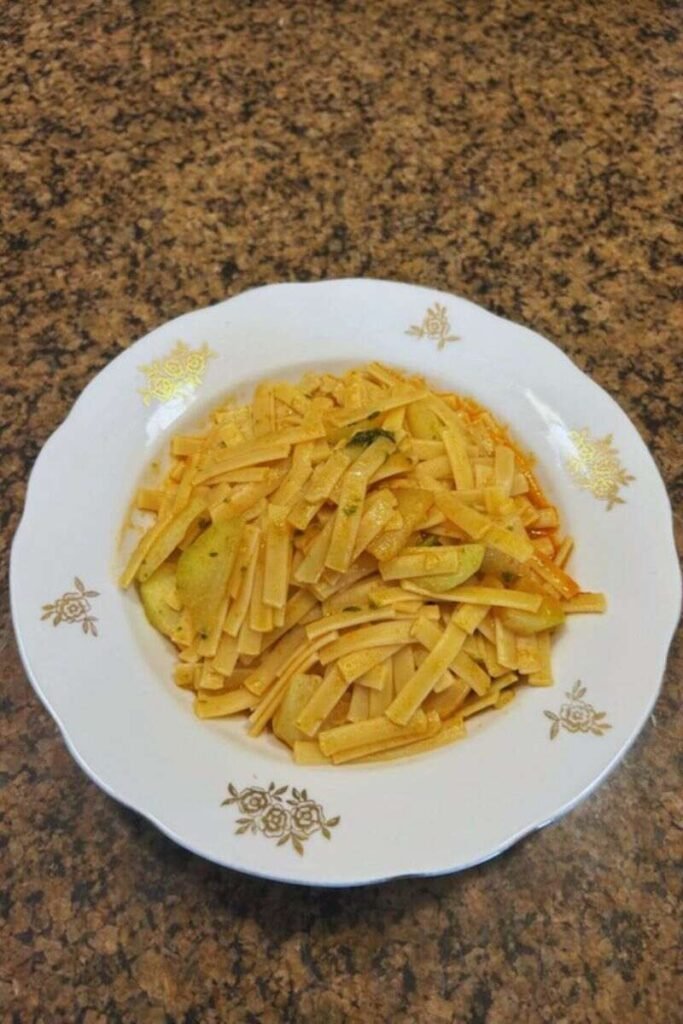
This one-pot kohlrabi fettuccine is what happens when you want something comforting but also want to sneak in vegetables. The kohlrabi softens just enough to blend with the pasta while keeping a satisfying bite, and that garlicky tomato sauce ties everything together. Plus, it’s genuinely a one-pot situation, which means less cleanup and more time to enjoy your wine while cooking.
What You’ll Need
Ingredients for Kohlrabi Pasta
For the kohlrabi:- 2–3 medium kohlrabi bulbs
- Cold water for soaking
- A few kohlrabi leaves (if attached)
- 3–4 garlic cloves, crushed
- Extra-virgin olive oil
- 2 tbsp tomato paste
- 250 ml hot water (plus more if needed)
- 1 tsp chilli flakes
- 2 fresh basil leaves
- 2 bay leaves
- Salt and freshly cracked black pepper
- 500g fettuccine
- Salted pasta water
This is the kind of recipe where ingredient quality actually matters. Good olive oil, fresh garlic, and quality pasta make a noticeable difference. According to Bon Appétit, using bronze-cut pasta helps sauce cling better due to its rougher texture, something worth considering if you’re serious about your pasta game.
Kitchen Tools You’ll Need
Two pots (one for the sauce, one for the pasta), a vegetable peeler, a sharp knife, a colander, tongs or a pasta fork, and a ladle. That’s it. No fancy equipment, no pasta maker, no complicated setup. Just basic kitchen stuff you probably already own.
Step 1: Prep the Kohlrabi (Don’t Skip the Soak)
Peel your kohlrabi using a sturdy vegetable peeler or a sharp knife. The skin can be tough and fibrous, so remove it completely. You want to get down to that pale green or white flesh underneath.
Slice the kohlrabi into thin pieces, about 1/8 to 1/4 inch thick. Not paper-thin like you’re making chips, but thin enough that they’ll cook through in the pasta water. I usually cut them into half-moons or quarters depending on the size of the bulb.
Soak the sliced kohlrabi in cold water along with a few of the leaves if they came attached. This step does two things: it keeps the kohlrabi crisp until you’re ready to cook it, and it cleans off any dirt or debris. The leaves are totally edible and add a slightly peppery note, so don’t toss them. Let everything soak while you prep the sauce.
Kohlrabi is a brassica vegetable related to cabbage and broccoli, which explains its mild, slightly sweet flavor. According to HealthLine, kohlrabi is rich in vitamin C and fiber, making it both delicious and nutritious, though honestly, I’m just here for the taste.
Step 2: Make the Sauce (This Is Where Flavor Happens)
In a small pot, add a generous amount of extra-virgin olive oil, I’m talking 3-4 tablespoons minimum. This isn’t the time to be stingy. Add your crushed garlic cloves to the cold oil, then turn the heat to low.
Cook the garlic slowly until it softens and becomes fragrant. You want it golden and sweet, not brown and bitter. This takes about 3-4 minutes. Low and slow is the key here. Burned garlic ruins everything, so watch it carefully.
Once the garlic is soft and aromatic, add the tomato paste. Stir it into the garlicky oil and let it caramelize for a minute or two. This concentrates the tomato flavor and removes that raw, metallic taste that straight tomato paste can have. You’ll see it darken slightly and smell almost sweet.
Pour in 250 ml of hot water and stir everything together. The sauce will loosen and turn into a beautiful orange-red mixture. If it looks too thick (like ketchup), add more water. You want it to be saucy but not watery, somewhere between marinara consistency and soup.
Season with salt, chilli flakes, basil leaves, and bay leaves. The chilli flakes add just enough heat without making it spicy. The basil and bay leaves bring herbaceous notes that balance the acidity of the tomato. Let this sauce simmer gently on the lowest heat while you deal with the pasta. Stirring occasionally keeps it from sticking.
Step 3: Cook the Pasta & Kohlrabi (Timing Matters)
This is where the one-pot magic happens, sort of. Technically you’re using two pots, but the pasta and kohlrabi cook together in one, so it counts in my book 🙂
Break your fettuccine into 1-2 inch pieces. Yes, I know this is sacrilege to some people. Italian grandmothers are probably glaring at me through the internet. But shorter pasta mixes better with the kohlrabi and makes the whole dish easier to eat. Do it.
Bring a large pot of salted water to a rolling boil. And I mean salted, your pasta water should taste like the ocean. This is your only chance to season the pasta from the inside, so don’t be shy.
Here’s the key: add the sliced kohlrabi 5 minutes before you add the pasta. Drain the soaking water first, then drop the kohlrabi pieces into the boiling pasta water. This head start ensures the kohlrabi cooks through without turning to mush. If you add them at the same time as the pasta, they’ll either be too crunchy or you’ll overcook your pasta trying to soften them.
After 5 minutes, add your broken fettuccine to the pot with the kohlrabi. Stir everything well to prevent sticking. Cook until the pasta is al dente, check the package directions, but it’s usually 9-11 minutes. The kohlrabi should be tender but still have some bite.
Reserve at least a cup of pasta water before draining. This starchy liquid is gold for adjusting sauce consistency. Then strain everything together through a colander.
Step 4: Finish the Dish (The Magic Moment)
Transfer your drained pasta and kohlrabi directly into the pot with your tomato-garlic sauce. If your sauce pot is too small, you can do this in the pasta pot instead, just dump the sauce in and toss everything together.
Add splashes of the reserved pasta water as needed. This is what makes restaurant pasta so much better than home-cooked, they use that starchy water to create a silky sauce that clings to every piece of pasta. Start with about 1/4 cup and add more if needed. You want everything glossy and well-coated, not dry or swimming in liquid.
Toss everything together using tongs or a pasta fork. Get in there and really mix it so every piece of fettuccine and every slice of kohlrabi gets coated in that garlicky tomato sauce. Adjust salt and pepper to taste. Remember, you can always add more but you can’t take it away.
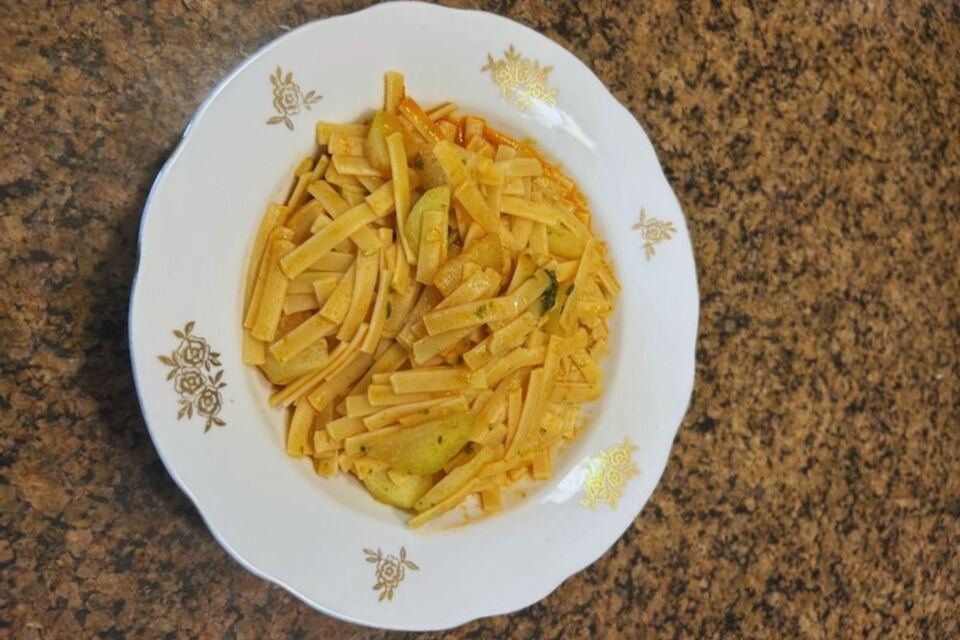
Let it sit for just a minute before serving. This allows the sauce to settle and the flavors to meld. Then plate it up, drizzle with a little extra olive oil if you’re feeling fancy, and eat it while it’s hot.
Pro Tips From Someone Who’s Made This Way Too Many Times
Don’t cut the kohlrabi too thin. I made this mistake early on. Paper-thin slices turn to mush and lose their texture completely. You want them substantial enough to hold up to boiling.
Adjust the water-to-tomato-paste ratio based on your preference. Some people like a thicker, more concentrated sauce. Others prefer it lighter and brothier. Start with 250 ml and adjust from there. There’s no wrong answer.
If your kohlrabi came with fresh leaves, use them. They’re completely edible and add a nice peppery note. Just chop them roughly and toss them in with the kohlrabi slices.
Fresh tomato paste makes a difference. If you’ve got a half-used tube of tomato paste that’s been in your fridge for six months, this dish will taste okay but not great. Fresh paste has brighter, more vibrant flavor.
The garlic should never burn. Seriously, burned garlic is bitter and acrid and will ruin the whole dish. If you accidentally burn it, start over. It’s worth the extra two minutes.
What to Serve With Kohlrabi Fettuccine
This is honestly a complete meal on its own, you’ve got vegetables, carbs, and enough olive oil to count as fat. But if you want to round it out, a simple green salad with lemon vinaigrette works perfectly. The acidity cuts through the richness of the pasta.
Crusty bread for soaking up any leftover sauce is never a bad idea. A glass of light red wine or crisp white wine complements the dish beautifully. And if you’re feeling extra, grate some Parmesan or Pecorino Romano over the top. The recipe doesn’t call for cheese, but I’m not going to stop you.
Variations and Customizations
Add protein: Grilled chicken, Italian sausage, or white beans would all work well here. Cook them separately and toss them in at the end.
Make it creamier: Stir in a few tablespoons of heavy cream or a knob of butter at the end for a richer sauce. It’s not traditional, but it’s delicious.
Increase the vegetables: Zucchini, bell peppers, or cherry tomatoes would blend seamlessly with the kohlrabi. Just adjust cooking times accordingly.
Spice it up: Double the chilli flakes or add a pinch of red pepper flakes if you like heat. Or go the opposite direction and skip them entirely for a milder version.
Use different pasta shapes: Penne, rigatoni, or even spaghetti would work. Just adjust the breaking/cutting accordingly, or leave long pasta intact if you prefer.
Storing and Reheating Leftovers
This pasta keeps well in the fridge for 3-4 days in an airtight container. The kohlrabi will soften further as it sits, but honestly, it’s still good. Some people (me) actually prefer leftover pasta because the flavors have had time to meld.
Reheating tips: Add a splash of water or broth when reheating to loosen the sauce, which tends to absorb into the pasta as it sits. Microwave in 30-second intervals, stirring between each, or reheat gently on the stovetop with a bit of extra olive oil.
You can freeze this for up to 2 months, though the kohlrabi texture changes slightly after freezing. It’s still edible, just not quite as crisp. I usually make this fresh rather than freezing it, but it’s an option if you’re meal-prepping.
Why This Recipe Works
The genius here is cooking the kohlrabi directly in the pasta water. It saves time, reduces dishes, and allows the kohlrabi to absorb some of the salt from the pasta water, seasoning it from the inside. The 5-minute head start ensures both components finish cooking at the same time.
The sauce is intentionally simple, garlic, tomato paste, olive oil, and herbs. This lets the subtle sweetness of the kohlrabi shine through instead of drowning it in heavy sauce. Kohlrabi’s mild flavor makes it perfect for simple preparations that don’t compete with its natural taste.
Breaking the fettuccine creates more surface area for sauce adhesion and makes the dish easier to eat with a fork. Plus, it distributes the kohlrabi more evenly throughout instead of having pasta in one area and vegetables in another.
The Story Behind This Dish
I’m not going to pretend this is some traditional Italian recipe passed down through generations. It’s not. This is what happens when you have kohlrabi you need to use up and a craving for pasta. The combination just works, the slight sweetness of kohlrabi plays beautifully with the acidity of tomato and the pungency of garlic.
Kohlrabi isn’t commonly used in Italian cooking, but it should be. It has that perfect vegetable texture that holds up to boiling without disintegrating. Unlike zucchini, which can get waterlogged, or broccoli, which can get mushy, kohlrabi maintains structural integrity while still becoming tender.
Final Thoughts
Look, I get it, kohlrabi isn’t the sexiest vegetable. It looks weird, most people don’t know what to do with it, and it’s often ignored in favor of more familiar options. But this recipe changed my mind about it completely, and I think it’ll change yours too.
There’s something deeply satisfying about making a flavorful, complete meal with minimal fuss and maximum taste. This isn’t Instagram-worthy fine dining. It’s real food that actually tastes good and doesn’t require seventeen specialty ingredients or advanced cooking techniques.
The first time I made this, I wasn’t expecting much. By the end, I’d eaten two full servings and was considering a third. That’s the mark of a good recipe, when you keep going back for more even though you’re already full.
So grab some kohlrabi next time you’re at the market. Give this recipe a shot. Worst case scenario, you discover kohlrabi isn’t your thing. Best case? You find your new favorite weeknight pasta that happens to sneak vegetables in without feeling like you’re eating health food.
Worth it either way, trust me.