
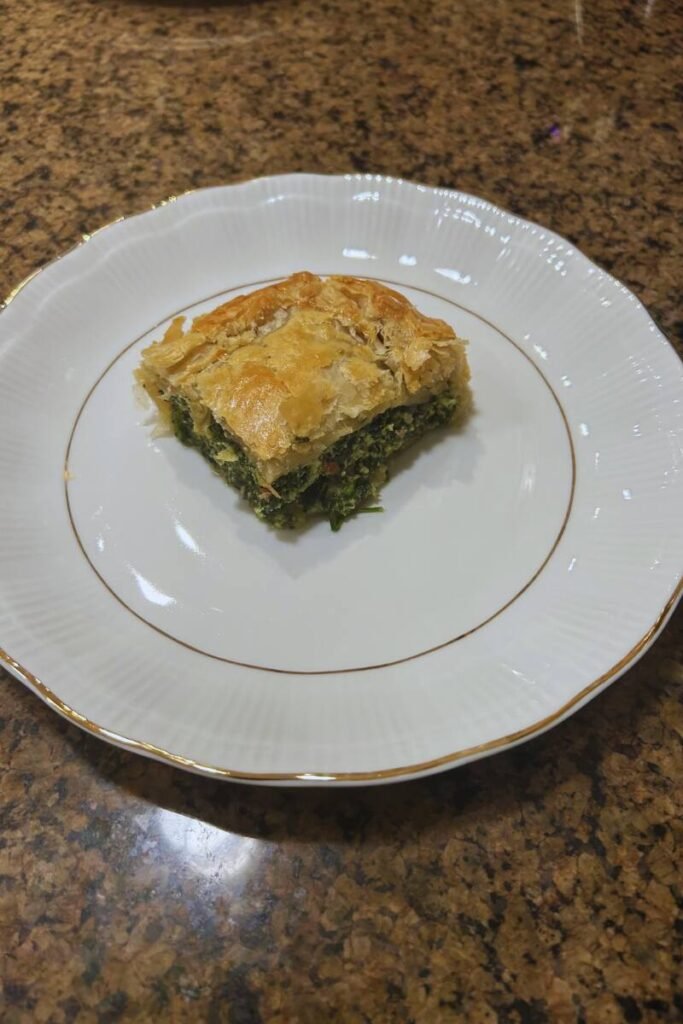
This Ricotta and Spinach Pie with Puff Pastry is a rustic Italian savory pie that layers creamy ricotta, earthy spinach, sharp Parmesan, melted mozzarella, and intense sun-dried tomatoes between flaky puff pastry sheets. The dish represents Italian home cooking at its most satisfying: a substantial pie that works equally well as a main course, lunch, or contribution to a buffet spread.
Unlike delicate quiches or soufflés, this sturdy pie travels well, slices cleanly, and tastes excellent at room temperature, making it ideal for picnics, potlucks, or make-ahead entertaining. The key to success lies in thoroughly drying the spinach to prevent a soggy bottom crust, a common pitfall in vegetable-based pies 🙂.
Understanding Italian Savory Pies
Savory pies appear throughout Italian regions with countless filling variations reflecting local ingredients and family traditions. These preparations emerged as practical solutions for using seasonal vegetables, creating portable meals, and feeding many people economically. The enclosed pastry protects the filling during transport and extends the dish’s serving life, as the pie keeps well for several days. In Italian communities, variations of these pies became traditional for celebrations and gatherings, though they suit any occasion throughout the year.
Ingredients
Ricotta and Spinach Pie with Puff Pastry
Ingredients
For the Pastry- 2 sheets frozen puff pastry, thawed according to package directions (approximately 400g to 500g total)
- 2 to 3 tablespoons grated Parmesan cheese or breadcrumbs for the base (optional but recommended)
- Olive oil or 1 egg beaten with 1 tablespoon water for brushing
- 900g fresh spinach (or 450g frozen spinach, thawed and squeezed dry)
- 3 to 4 tablespoons extra virgin olive oil
- 4 garlic cloves, finely minced
- 1 teaspoon red chili flakes
- 400g whole-milk ricotta cheese
- 2 large eggs
- 60g Parmesan cheese, grated (approximately ½ cup)
- 100g mozzarella cheese, shredded or diced (approximately ¾ cup)
- 75g sun-dried tomatoes (oil-packed preferred), finely chopped (approximately ½ cup)
- Salt and freshly ground black pepper to taste
Ingredient Selection and Quality
Puff Pastry Selection
Quality frozen puff pastry made with butter produces superior flavor and texture compared to varieties made with vegetable shortening or margarine. All-butter puff pastry costs more but delivers incomparably rich, flaky results. Thaw frozen puff pastry in the refrigerator overnight or at room temperature for 30 to 40 minutes. The pastry should be pliable enough to unfold without cracking but still cold. Warm puff pastry becomes sticky and difficult to handle, and it won’t puff properly during baking.
Spinach Preparation and Moisture Control
Fresh spinach provides superior flavor and texture compared to frozen, though frozen spinach works acceptably when fresh is unavailable. The 900g fresh spinach seems like an enormous quantity but wilts dramatically during cooking, reducing to approximately 300g cooked.
The most critical step in this entire recipe is thoroughly drying the cooked spinach. Spinach contains enormous amounts of water that will leak into the pastry during baking if not properly removed, creating soggy, unpleasant crust. After wilting the spinach, let it cool completely, then squeeze aggressively in small handfuls over the sink, wringing it like a wet cloth. Alternatively, wrap the cooled spinach in a clean kitchen towel and twist it tightly, extracting every possible drop of moisture.
If using frozen spinach, thaw it completely, then squeeze obsessively. Frozen spinach often contains even more water than fresh.
Ricotta Quality
Whole-milk ricotta provides richness and creamy texture essential to the filling. Part-skim ricotta works but produces slightly drier results. Fresh ricotta from Italian markets or cheese shops offers superior flavor and texture compared to mass-produced supermarket varieties, though either works functionally.
Some ricotta brands are wetter than others. If your ricotta appears very watery, drain it for 30 minutes to 1 hour in a fine-mesh strainer lined with cheesecloth set over a bowl in the refrigerator. This removes excess whey that would otherwise contribute to a soggy pie.
Cheese Selection
Parmesan should be authentic Parmigiano-Reggiano if possible, grated fresh just before using. Pre-grated Parmesan lacks flavor intensity and contains anti-caking agents that affect texture. The Parmesan provides salty, nutty depth that balances the mild ricotta.
Mozzarella can be low-moisture mozzarella (preferred for baking, as it contains less water) or fresh mozzarella (which must be thoroughly drained and patted dry before using). Shred or dice the mozzarella rather than slicing, which helps it distribute more evenly throughout the filling.
Sun-Dried Tomatoes
Oil-packed sun-dried tomatoes offer superior texture and flavor compared to the dry-packed variety, which can be leathery and require rehydration. The oil coating prevents them from drawing moisture from the ricotta filling. Drain them slightly but don’t rinse, as the clinging oil contributes flavor. Chop the sun-dried tomatoes finely so their intense flavor distributes throughout the filling rather than concentrating in large pieces.
According to the USDA Food Safety and Inspection Service, proper food handling and storage of ingredients like cheese and vegetables ensures both safety and quality in finished dishes.
Method
Prepare the Spinach
1. Cook the aromatics: Heat 3 to 4 tablespoons olive oil in a very large skillet or pot over medium heat. Add the minced garlic and red chili flakes. Cook, stirring constantly, for 20 to 30 seconds until the garlic becomes fragrant but does not brown. Garlic burns easily and becomes bitter, so watch carefully.
2. Wilt the spinach: Add the fresh spinach to the pan. Using tongs or a large spoon, turn the spinach constantly as it wilts and reduces. The spinach will release considerable liquid as it cooks. Continue cooking for 5 to 8 minutes until all the spinach has wilted completely and most of the liquid has evaporated. You can increase the heat slightly toward the end to drive off moisture faster, stirring frequently to prevent sticking.
3. Cool and squeeze thoroughly: Transfer the cooked spinach to a large plate or bowl and spread it out to cool for 10 to 15 minutes. Once cool enough to handle, squeeze the spinach aggressively in small handfuls over the sink, wringing out every possible drop of liquid. This is the single most important step for preventing soggy crust. When you think you’ve squeezed enough, squeeze again. The spinach should feel quite dry and compact.
4. Chop the spinach: Roughly chop the squeezed spinach into smaller pieces. This helps it distribute more evenly in the filling and makes the pie easier to slice cleanly.
Make the Filling
1. Combine the cheese mixture: In a large bowl, combine the ricotta, 2 eggs, grated Parmesan, mozzarella, and finely chopped sun-dried tomatoes. Mix well with a spoon or spatula until thoroughly combined and relatively smooth.
2. Add the spinach: Fold the dried, chopped spinach into the cheese mixture, distributing it evenly throughout. The mixture will be thick but spreadable.
3. Season: Taste the filling and season with salt and freshly ground black pepper. Remember that the Parmesan, mozzarella, and sun-dried tomatoes all contribute salt, so start conservatively. The filling should taste well-seasoned but not aggressively salty.
Assemble the Pie
1. Preheat the oven: Set the oven to 200°C (400°F) and position a rack in the lower third of the oven. The lower position helps ensure the bottom crust bakes fully and crisps properly.
2. Prepare the baking dish: Choose a rectangular or square baking dish approximately 23 x 33cm (9 x 13 inches) or similar size. The dish should be relatively shallow, with sides no more than 5cm (2 inches) high. Lightly oil the bottom and sides with olive oil.
3. Line with pastry: Unroll one sheet of thawed puff pastry and carefully fit it into the prepared baking dish, pressing it gently into the corners and up the sides. The pastry should drape slightly over the edges. If it tears, press it back together or patch with pastry scraps.
4. Optional crisp layer: For extra insurance against soggy bottom crust, sprinkle a thin, even layer of grated Parmesan cheese or fine breadcrumbs over the bottom pastry. This layer absorbs any residual moisture from the filling and creates a barrier between the wet filling and the pastry. This step is optional but highly recommended.
5. Add the filling: Spread the spinach-ricotta mixture evenly over the bottom pastry, smoothing the top with a spatula. The filling should distribute uniformly from edge to edge.
6. Top with pastry: Unroll the second sheet of puff pastry and carefully lay it over the filling, centering it so it covers the entire surface. Press the edges of the top and bottom pastry sheets together firmly to seal. You can fold the excess bottom pastry up and over the top pastry edges, crimping with your fingers or pressing with a fork to create a seal. Trim any excessive overhang with a knife.
7. Vent and brush: Using a sharp knife, cut 4 to 6 small slits or a pattern in the top pastry. These vents allow steam to escape during baking, preventing the pastry from becoming soggy. Brush the entire top surface lightly with olive oil or egg wash (1 egg beaten with 1 tablespoon water). The wash creates golden, shiny crust during baking.
Bake and Rest
1. Bake: Place the pie in the preheated oven and bake for 35 to 45 minutes until the pastry is deeply golden brown and visibly puffed and crisp. The exact timing depends on your oven and the pastry thickness. Check at 30 minutes; if the top is browning too quickly, tent loosely with aluminum foil and continue baking until the pastry feels crisp and firm when pressed gently on the edges.
The pie is done when the pastry is uniformly golden brown, the edges appear crisp and flaky, and the filling is set and hot throughout.
2. Rest before slicing: Remove the pie from the oven and let it rest in the pan for 10 to 15 minutes before slicing. This resting period allows the filling to set and firm up, making clean slicing possible. Cutting immediately causes the filling to run and creates messy portions. The pie actually slices most cleanly when completely cool, though it’s delicious served warm as well.
3. Serve: Cut into squares or rectangles using a sharp knife. Serve warm, at room temperature, or even cold. Each serving should show distinct layers of golden pastry, green spinach, and creamy ricotta studded with tomatoes and cheese.
Technical Notes on Success
Several factors determine whether this pie achieves flaky crust and cohesive filling:
Thoroughly dry the spinach: This cannot be overstated. Wet spinach creates soggy crust regardless of other precautions. Squeeze until your hands hurt, then squeeze more.
Keep puff pastry cold: Warm pastry won’t puff properly and becomes sticky. Work quickly when assembling, and if the pastry warms and becomes difficult to handle, refrigerate it for 10 to 15 minutes before continuing.
Proper oven temperature: The high heat (200°C/400°F) is necessary for puff pastry to achieve maximum rise and crispness. Lower temperatures produce pale, doughy results.
Don’t skip the resting period: Cutting into the hot pie releases liquid filling and creates messy portions. The brief rest allows everything to set properly.
The Parmesan or breadcrumb layer helps: This optional step provides significant insurance against soggy bottom crust by creating a moisture barrier.
Egg wash vs. olive oil: Egg wash creates shinier, more deeply golden crust, while olive oil produces slightly less dramatic browning but contributes subtle flavor. Either works well.
Serving Suggestions
This pie serves 6 to 8 people as a main course with salad, or 10 to 12 as part of a buffet spread. It works for various occasions:
As a main course: Serve with simple green salad dressed with lemon vinaigrette for a light lunch or dinner.
For brunch or breakfast: The substantial, savory character works beautifully for morning meals alongside fruit.
Picnic or potluck: The pie travels well and tastes excellent at room temperature, making it ideal for outdoor meals or gatherings.
Make-ahead entertaining: Prepare completely a day ahead, refrigerate, and serve at room temperature or reheat gently.
Wine pairings: Medium-bodied whites like Vermentino, Soave, or Pinot Grigio complement the ricotta and spinach. Light reds like Barbera also work well.
Variations and Adaptations
This fundamental structure accommodates countless filling variations:
Different greens: Replace spinach with Swiss chard, kale, or a mixture of greens. All require the same thorough draining.
Meat additions: Add diced cooked Italian sausage, prosciutto, or pancetta to the filling for heartier character.
Mushroom version: Sauté sliced mushrooms until all liquid evaporates, then fold into the ricotta mixture.
Artichoke addition: Include chopped marinated artichoke hearts (well-drained) for tangy complexity.
Different cheeses: Experiment with fontina, provolone, or Gruyère instead of or alongside the mozzarella.
Herb enhancements: Add fresh basil, oregano, or thyme to the filling.
Egg enrichment: Increase to 3 eggs for firmer, more custard-like filling.
Tomato variation: Replace sun-dried tomatoes with roasted red peppers or omit entirely for pure spinach-ricotta character.
Storage and Reheating
This pie stores exceptionally well, often tasting better the day after baking as flavors meld.
Room temperature: The pie keeps at room temperature for 3 to 4 hours, making it ideal for buffets and picnics. Beyond that, refrigerate for food safety.
Refrigeration: Cool completely, cover tightly with plastic wrap or aluminum foil, and refrigerate for up to 4 days. The pastry softens slightly during storage but remains good.
Serving cold or at room temperature: Many people prefer this pie at room temperature or even cold, when the flavors are most distinct and the filling has fully set.
Reheating: Reheat individual slices in a 180°C (350°F) oven for 10 to 15 minutes to restore some crispness to the pastry. Microwave reheating is faster but makes the pastry soggy.
Freezing: Unbaked or baked pie freezes well for up to 2 months. Freeze unbaked and bake directly from frozen, adding 10 to 15 minutes to the baking time. Freeze baked pie after cooling completely, wrapped tightly. Thaw overnight in the refrigerator before reheating.
Cultural Context and Italian Home Cooking
This pie represents the resourcefulness and practicality central to Italian home cooking. These substantial preparations transform simple, inexpensive ingredients into impressive dishes that feed many people efficiently. The enclosed pastry structure protects the filling, extends shelf life, and creates portable food ideal for lunches, picnics, or contributions to communal meals.
The pie also exemplifies make-ahead cooking, a practical necessity for home cooks managing busy schedules. It assembles completely a day ahead, refrigerates overnight, and bakes just before serving, or bakes ahead and serves at room temperature. This flexibility makes it invaluable for entertaining without last-minute stress.
This ricotta and spinach pie with puff pastry demonstrates how Italian cooking transforms humble ingredients through technique and care. The contrast between flaky, buttery pastry and creamy, savory filling, the interplay of mild ricotta with sharp Parmesan and intense sun-dried tomatoes, and the satisfaction of a substantial, complete dish that serves a crowd, all these elements combine to create food that nourishes both body and spirit. It’s cooking that honors tradition while remaining practical, connecting those who prepare it to generations of home cooks who understood that the finest meals often emerge from the simplest approaches executed with attention and love.