
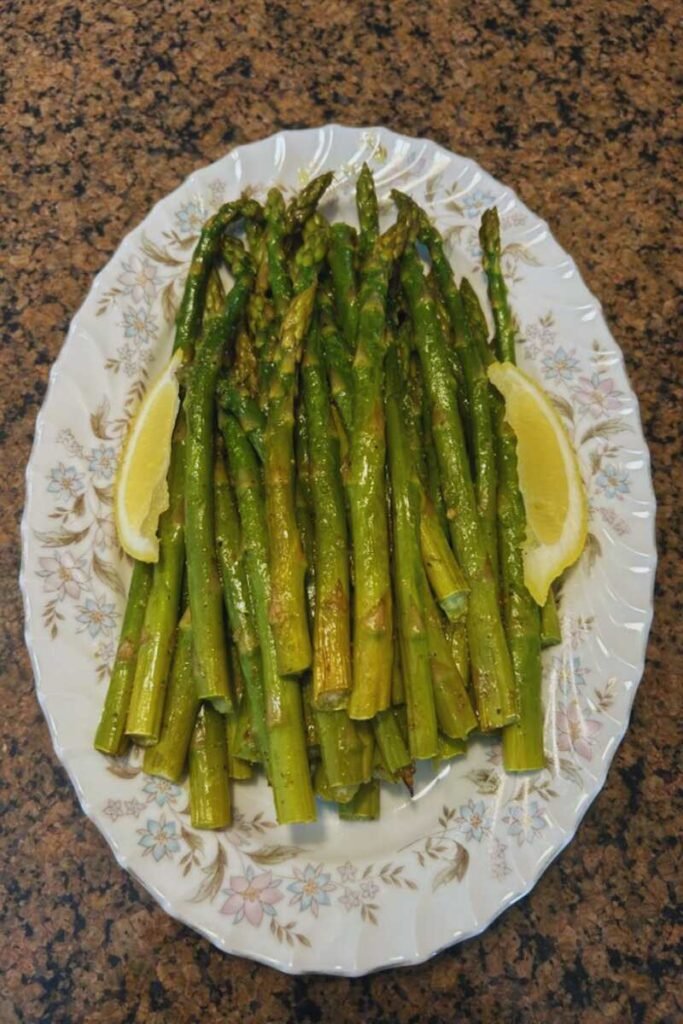
This Perfect BBQ Grilled Asparagus Recipe showcases the vegetable at its best: tender spears with slightly charred exteriors, enhanced by garlic, lemon, and quality olive oil. Grilling asparagus over direct heat caramelizes its natural sugars while maintaining the interior’s crisp-tender texture, creating depth of flavor that steaming or boiling cannot achieve.
This method requires minimal ingredients and effort, making it the perfect recipe for weeknight dinners or as an elegant side dish for gatherings. The key lies in proper heat management and timing, cooking the asparagus just until tender while developing light char without burning 🙂.
Understanding Asparagus and Grilling Technique
Asparagus, a spring vegetable prized throughout Mediterranean and European cuisines, offers delicate, slightly grassy flavor with subtle sweetness when properly cooked. The vegetable consists of tender tips, mid-sections that cook evenly, and woody stems that become fibrous and unpleasant if not removed. Grilling transforms asparagus through several processes: the Maillard reaction creates browned, flavorful surfaces; moisture evaporation concentrates flavors; and natural sugars caramelize, adding sweetness and complexity.
The challenge with grilling asparagus lies in its irregular shape and varying thickness. Thick spears require longer cooking than thin ones, and the tips cook faster than the stems. Medium heat and attentive turning ensure even cooking without excessive charring. A grill basket prevents thin spears from falling through grates while allowing smoke and char to develop.
Ingredients
Ingredients for BBQ Grilled Asparagus
- 1kg asparagus (approximately 40 to 50 medium spears)
- 3 to 4 tablespoons extra virgin olive oil
- 1 teaspoon garlic powder
- Salt to taste (approximately ½ to 1 teaspoon)
- Freshly ground black pepper to taste
- 2 to 3 lemon wedges for finishing
- Optional: additional olive oil for drizzling before serving
Ingredient Selection and Quality
Asparagus Selection and Seasonality
Fresh asparagus appears in markets from early spring through early summer, with peak season varying by region. Spring asparagus offers the most delicate flavor and tender texture. Choose asparagus with firm, straight spears, tightly closed tips, and cut ends that appear moist rather than dried or shriveled. The spears should snap cleanly when bent rather than bending limply.
Thickness considerations: Asparagus comes in various thicknesses from pencil-thin to thumb-thick. Medium to thick spears (approximately 1 to 1.5cm in diameter) work best for grilling, as they develop char on the exterior while remaining tender inside. Very thin asparagus cooks too quickly and can dry out or burn before developing proper char. Very thick spears may char outside before cooking through, though they can work with careful attention.
Color: Green asparagus is most common, but white asparagus (grown without sunlight) and purple asparagus also exist. All grill successfully, though white and purple varieties are less common and often more expensive.
Store fresh asparagus upright in a jar with 2 to 3cm of water in the refrigerator, covered loosely with a plastic bag, for up to 3 to 4 days. According to nutritional research, asparagus provides significant vitamins A, C, and K, plus folate and fiber, making it both delicious and nutritious.
Olive Oil Quality
Extra virgin olive oil serves both as cooking medium and flavor component. Use good quality oil, as its character will be prominent in the finished dish. The oil should taste fruity and fresh, not rancid or flat. For grilling, you don’t need your finest bottle (high heat diminishes delicate flavors), but use oil you would enjoy tasting raw. According to the North American Olive Oil Association, extra virgin olive oil should be stored properly in a cool, dark place to maintain its quality and flavor.
Garlic Powder vs. Fresh Garlic
Garlic powder distributes more evenly in the oil coating and won’t burn as easily as fresh minced garlic would over direct heat. Fresh garlic tends to char and turn bitter when grilled directly. Garlic powder provides consistent, mellow garlic flavor throughout. Choose quality garlic powder without additives or anti-caking agents.
Lemon Selection
Fresh lemon wedges are essential. Bottled lemon juice lacks the bright, fresh character needed for finishing. Choose lemons that feel heavy for their size (indicating high juice content) with relatively smooth, thin skin. Room temperature lemons yield more juice than cold ones.
Method
Prepare the Asparagus
1. Wash thoroughly: Rinse the asparagus under cold running water to remove any dirt or grit, particularly from the tips where soil can lodge. Pat dry with kitchen towels. Excess moisture creates steam rather than char during grilling.
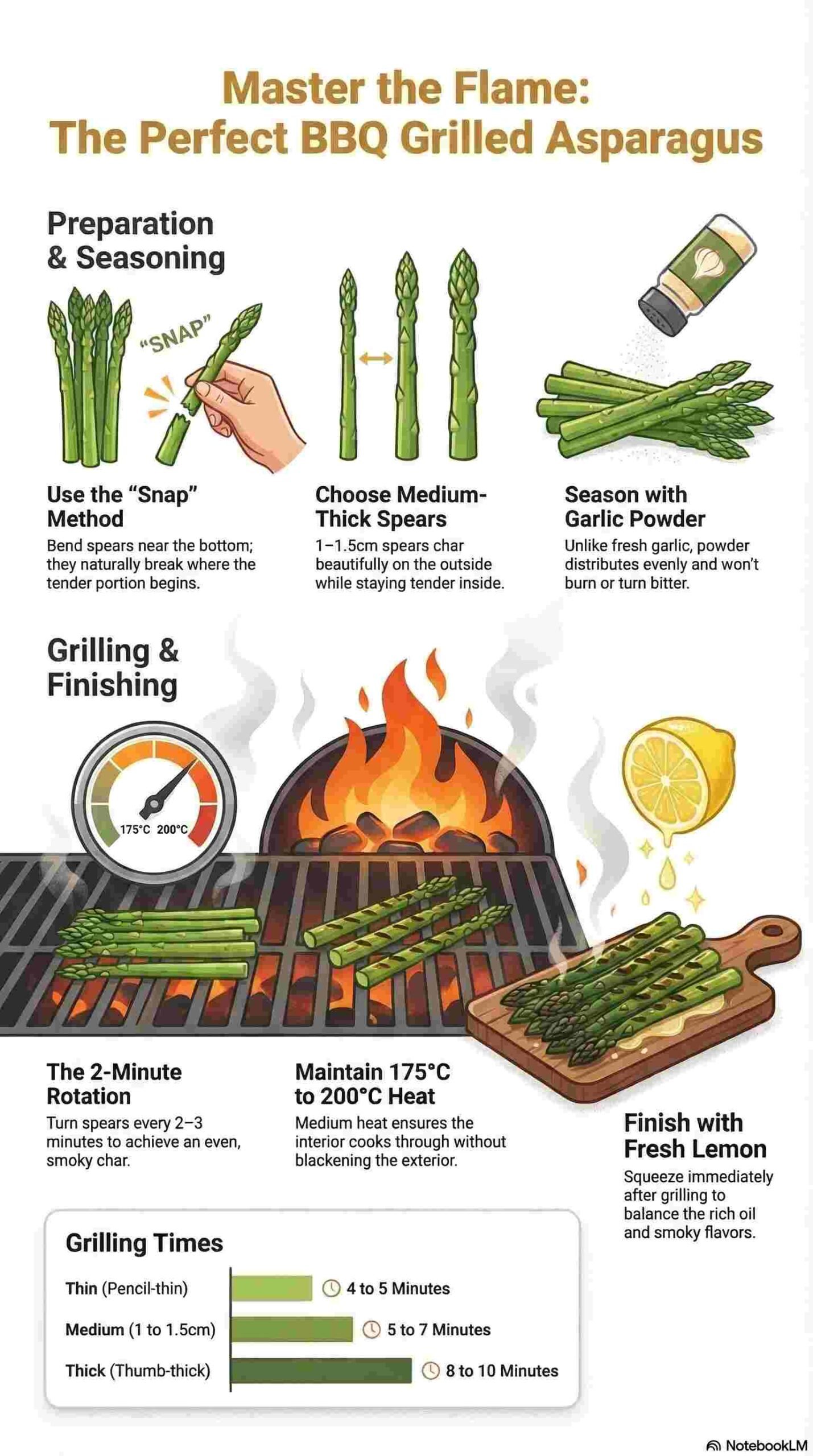
2. Remove woody ends: Hold each asparagus spear near the bottom and bend gently. The spear will naturally snap at the point where the tender portion meets the woody stem, typically one-quarter to one-third up from the bottom. Discard the woody ends (or save them for making vegetable stock). This snapping method ensures you remove exactly the right amount, as asparagus naturally breaks where it becomes tender.
Alternatively, line up the asparagus spears and cut the bottom 3 to 5cm off with a knife, though this wastes slightly more of the tender portion than the snapping method.
3. Optional peeling: If using very thick asparagus (thicker than 1.5cm in diameter), consider peeling the bottom half of each spear with a vegetable peeler to remove the tough outer skin. This ensures even cooking and tenderness. Medium and thin spears don’t require peeling.
Season the Asparagus
1. Place in a bowl: Transfer the trimmed asparagus to a large, wide bowl or baking dish where they can be tossed easily.
2. Add oil and seasonings: Drizzle 3 to 4 tablespoons of extra virgin olive oil over the asparagus. The exact amount depends on the asparagus quantity and your preference, but the spears should be lightly coated, not swimming in oil. Sprinkle with 1 teaspoon garlic powder, approximately ½ to 1 teaspoon salt (start conservatively), and several generous grinds of black pepper.
3. Toss to coat: Using your hands or tongs, toss the asparagus thoroughly until every spear is evenly coated with oil and seasonings. The coating should be light and even. Excessive oil causes flare-ups on the grill, while insufficient oil leads to sticking and uneven cooking.
4. Rest briefly (optional): Let the seasoned asparagus sit for 5 to 10 minutes before grilling. This allows the salt to begin drawing out moisture and the flavors to penetrate slightly. This step is optional but beneficial.
Grill the Asparagus
1. Preheat the grill: Heat your BBQ grill (gas or charcoal) to medium heat. For gas grills, this means approximately 175 to 200°C (350 to 400°F). For charcoal grills, the coals should be glowing with a light coating of ash, and you should be able to hold your hand about 15cm above the grates for 5 to 6 seconds before the heat becomes uncomfortable. Medium heat is essential; high heat chars the exterior before the interior cooks through.
2. Clean and oil the grates: Brush the grill grates clean with a wire brush. Fold a paper towel, dip it in oil, and using tongs, rub it across the grates to create a non-stick surface. This prevents the asparagus from sticking.
3. Arrange asparagus on the grill: Place the asparagus spears directly on the grill grates, perpendicular to the bars so they don’t fall through. Alternatively, use a grill basket, which prevents thin spears from falling through while still allowing char development. If using a basket, arrange the asparagus in a single layer or slightly overlapping for even cooking.
Space the spears so they’re not touching if possible, which allows air circulation and even charring. If you must overlap them, that’s acceptable but will require more frequent turning.
4. Cook and turn: Close the grill lid and cook for 2 to 3 minutes undisturbed. Open the lid and turn the asparagus approximately one-quarter turn using tongs. Close the lid and cook another 2 to 3 minutes. Continue turning every 2 to 3 minutes for a total cooking time of 5 to 7 minutes for medium spears, longer for thick spears (8 to 10 minutes), shorter for thin spears (4 to 5 minutes).
5. Check for doneness: The asparagus is done when it’s bright green (it will be a more vibrant green than when raw), tender when pierced with a fork or knife, and shows light char marks or browning on multiple sides. The spears should bend slightly when lifted with tongs but not be floppy or mushy. Very light char is desirable; heavy blackening indicates overcooking and bitter flavor.
To test doneness, pierce the thickest part of a spear with a sharp knife or fork. It should slide in easily with just slight resistance. Taste a piece if uncertain; it should be tender-crisp, not crunchy or mushy.
Finish and Serve
1. Remove from grill: Transfer the grilled asparagus to a serving platter using tongs.
2. Add lemon: Immediately squeeze fresh lemon juice from 2 to 3 lemon wedges over the hot asparagus. The heat will intensify the lemon aroma and the acidity brightens all the flavors. Use more or less lemon based on preference, but be generous; the lemon’s brightness is essential to balance the richness of the olive oil and the char’s intensity.
3. Optional finishing touches: If desired, drizzle a small amount of additional extra virgin olive oil over the asparagus for extra richness and sheen. You can also add a sprinkle of flaky sea salt for textural interest and bursts of salinity.
4. Serve immediately: Grilled asparagus tastes best served hot or warm, within 10 to 15 minutes of coming off the grill. The texture deteriorates as it sits, becoming limp rather than crisp-tender.
Technical Notes on Success
Several factors determine whether grilled asparagus achieves proper texture and flavor:
Medium heat is essential: High heat chars the exterior before the interior cooks. Low heat steams rather than grills, failing to develop char or complex flavor. Medium heat allows proper caramelization and cooking.
Even thickness matters: If your asparagus varies significantly in thickness, separate it into groups and grill thick spears longer than thin ones, or position thicker spears over hotter spots on the grill.
Don’t overcrowd: Asparagus needs space for air circulation and even cooking. Overcrowded spears steam rather than grill.
Turn regularly: Turning every 2 to 3 minutes ensures even cooking and char development on multiple sides.
Watch carefully: Asparagus cooks quickly and can go from perfect to overcooked in 1 to 2 minutes. Stay attentive.
Fresh lemon is non-negotiable: Bottled juice cannot replicate the bright, fresh acidity needed for proper finishing.
Serving Suggestions
This recipe serves 4 to 6 people as a side dish. Grilled asparagus complements various main courses:
With grilled meats: Pairs beautifully with steak, chicken, pork chops, or lamb.
With fish: Complements grilled or baked fish, particularly salmon or sea bass.
For vegetarian meals: Serve alongside grilled vegetables, grain salads, or as part of a mezze spread.
Brunch addition: Excellent alongside eggs, frittatas, or quiches.
Pasta integration: Chop grilled asparagus and toss with pasta, olive oil, and Parmesan for a quick meal.
Beverage pairings: Crisp white wines like Sauvignon Blanc or Pinot Grigio complement the asparagus’s flavor profile.
Variations and Adaptations
This basic preparation accommodates numerous variations:
Parmesan addition: Immediately after removing from the grill, grate fresh Parmesan over the hot asparagus.
Balsamic drizzle: Add a drizzle of aged balsamic vinegar along with or instead of lemon.
Herb variations: Toss with fresh herbs (thyme, oregano, or basil) after grilling.
Spicy version: Add red pepper flakes to the seasoning or drizzle with chili oil after grilling.
Asian-inspired: Replace garlic powder with ginger powder and finish with sesame oil and soy sauce instead of lemon.
Bacon wrapped: Wrap spears in thin bacon slices before grilling for rich, smoky flavor.
Prosciutto pairing: Serve grilled asparagus wrapped in thin slices of prosciutto.
Aioli or hollandaise: Serve with garlic aioli or hollandaise sauce for dipping.
Different citrus: Try lime or orange juice instead of lemon for varied flavor profiles.
Storage and Reheating
Grilled asparagus is best consumed immediately but can be stored briefly:
Room temperature: Grilled asparagus keeps at room temperature for up to 2 hours. Beyond that, refrigerate for food safety.
Refrigeration: Cool completely, then store in an airtight container for up to 3 days. The texture will soften considerably during storage.
Serving cold: Leftover grilled asparagus works well in cold salads, chopped and tossed with greens, or as part of an antipasto platter.
Reheating: Reheat gently in a 180°C (350°F) oven for 5 to 7 minutes, or briefly in the microwave, though the texture won’t match freshly grilled asparagus.
Repurposing: Chop leftover grilled asparagus and add to omelets, frittatas, pasta, grain bowls, or pizza.
Cultural Context and Seasonal Eating
Asparagus signals spring’s arrival throughout Europe and North America, where its brief season (typically 6 to 8 weeks) creates anticipation and celebration. In regions like Germany, white asparagus season becomes a cultural event with festivals, special menus, and family traditions. Mediterranean countries celebrate green asparagus similarly, preparing it simply with olive oil and lemon to showcase its delicate flavor.
Grilling asparagus represents modern outdoor cooking culture while honoring traditional Mediterranean principles: quality ingredients, simple preparation, bright finishing elements. The technique works equally well for casual weeknight meals and elegant entertaining, demonstrating how fundamental methods transcend occasion when executed properly.
This BBQ grilled asparagus recipe shows how simple preparations can achieve excellence through attention to ingredient quality, proper technique, and timing. The contrast between lightly charred exteriors and tender interiors, enhanced by garlic, olive oil, and bright lemon, creates a side dish that elevates any meal while requiring minimal effort. It’s cooking that celebrates seasonality and simplicity, honoring the vegetable through restraint rather than complication.