
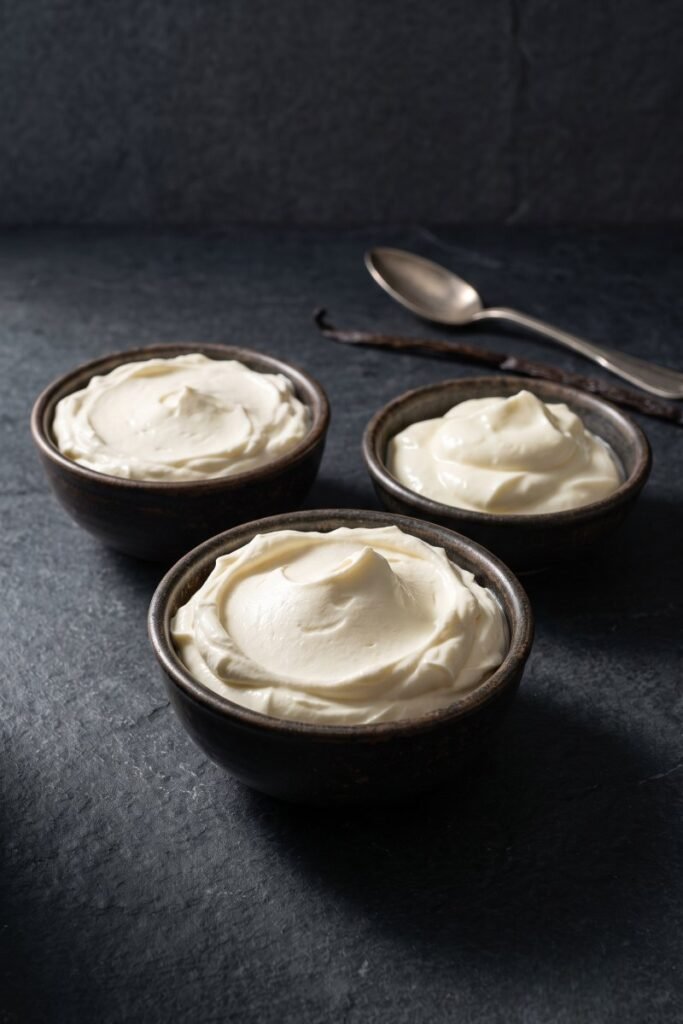
When I stand at my kitchen counter preparing to whip up a luxurious dessert layer, understanding exactly what is mascarpone cheese is the absolute foundation required to achieve an authentic, silky Italian finish. Over my years of exploring regional ingredient profiles, I have treated triple-cream fat metrics and low-acid coagulation steps as precise culinary variables rather than simple, everyday dairy shortcuts.
Whenever I see casual home cooks reach for standard American grocery store blocks as a direct one-to-one trade, wondering why their cream splits into a dense, tangy chunk, I notice how a lack of composition knowledge limits the preparation. For me, delivering a true restaurant-quality dessert or rich pan reduction requires respecting the ultra-high fat densities and delicate, spreadable textures that separate this northern treasure from common spreads.
How High Fat Concentrations Shape the Velvety Italian Curd
To understand why this delicate Lombardy favorite performs so uniquely across your tongue, you have to look closely at its raw chemical structure and minimal production steps. Unlike standard American options that rely on pasteurized skim milk and live bacterial cultures to ferment the liquid into a tangy solid, this northern classic is crafted entirely from heavy pasteurized cream.
The cream is gently heated over a low stovetop flame before a small splash of pure tartaric or citric acid is introduced directly into the warm well to trigger rapid protein coagulation. This acid shortcut coaxes the rich albumin proteins to knit together into an incredibly smooth, fine-grained mass, bypassing the long aging cycles and heavy salting stages that define harder curd wheels.
Because the resulting paste carries a massive fat percentage that hovers around the triple-cream threshold, it behaves more like an ultra-thick, concentrated butter spread than an acidic curd. This high-lipid matrix is the exact structural secret that allows the cheese to melt smoothly into warm savory pans without breaking into rubbery threads, a fat-emulsification rule I prioritize when building silkiness.
The Chemistry of Constructing a High-Fat Cream Cheese Alternative
The single greatest threat to your recipe happens when you drop a cold block of standard American cream cheese directly into a delicate whipping bowl without adjusting its dense physical properties first. I follow the simple proportions and raw ingredient weights detailed in the official Allrecipes Mascarpone Substitute Formula to safely build my emergency kitchen mixtures whenever the imported Italian tubs are unavailable or too expensive.
Standard American block spreads are deliberately engineered with high lactic acid levels and added stabilizers like guar gum to give the product a firm, elastic bite and a distinctively sharp, tangy punch. If you try to slide that dense, tangy block directly into a delicate dessert matrix without adding fat buffers first, the heavy curd will weigh down your cream mixture, turning the filling gummy.
To bypass this problem, let an 8-ounce brick of cream cheese soften completely on your counter before blending it thoroughly with a quarter-cup of fresh heavy cream and two tablespoons of soft butter. This introduction of extra fat molecules dilutes the harsh lactic bite and relaxes the rigid casein protein chains, yielding a luxurious, smooth, and spreadable paste that mimics the texture of the original Italian wheel.
Whipping Crème Fraîche and Heavy Blends for Savory Success
When my baking workflow transitions toward completing hot stovetop reductions or rustic pasta glazes and the primary Italian tub is nowhere to be found, my absolute best option shifts toward French cultured creams. French crème fraîche carries a magnificent 38% milk fat baseline, providing a velvety, spoonable texture that withstands high pan heat effortlessly without separating into a greasy puddle on the metal.
Because this cultured cream undergo a natural fermentation process, it carries a slightly zesty, pronounced tang that cuts through heavy fats beautifully, making it an incredible asset for savory sauces. If your specific recipe leans toward a sweet dessert layer like a traditional espresso cake filling, you can easily soften that sour profile by folding a tablespoon of confectioners’ sugar directly into the mix.
I rely on these high-fat dairy blending strategies constantly to ensure my skillet emulsions remain perfectly bound and uniform over the burner, a texture-preservation standard I maintain when treating delicate cream components inside my guide on how to Fix Gritty, Separated Cheese Sauces (Like Alfredo).
Simple Kitchen Rules to Check Texture and Stability
The final law for mastering your emergency substitutions requires managing your mechanical mixing speeds perfectly so you never accidentally over-work your delicate fat matrices. When you combine your cream cheese, heavy cream, and softened butter inside a mixing bowl, always use the paddle attachment of your electric mixer on a steady, medium-low speed setting.
If you make the common mistake of cranking the machine up to high speed or running the blades for too long, the intense friction will break the fragile fat membranes apart, forcing the liquid whey to bleed out and turn your smooth paste into a grainy, curdled slurry. Stop the motor the exact second the ingredients achieve a uniform, matte sheen that holds a soft, spreadable peak on your spatula.
I know my emergency preparation is completely successful when the whipped substitute glides across a ladyfinger or folds into a warm risotto pan cleanly without separating into independent streaks of oil. Taking the extra three minutes to properly layer your fat percentages and regulate your mixing speeds is the ultimate kitchen secret to delivering an elite meal to your family table.