
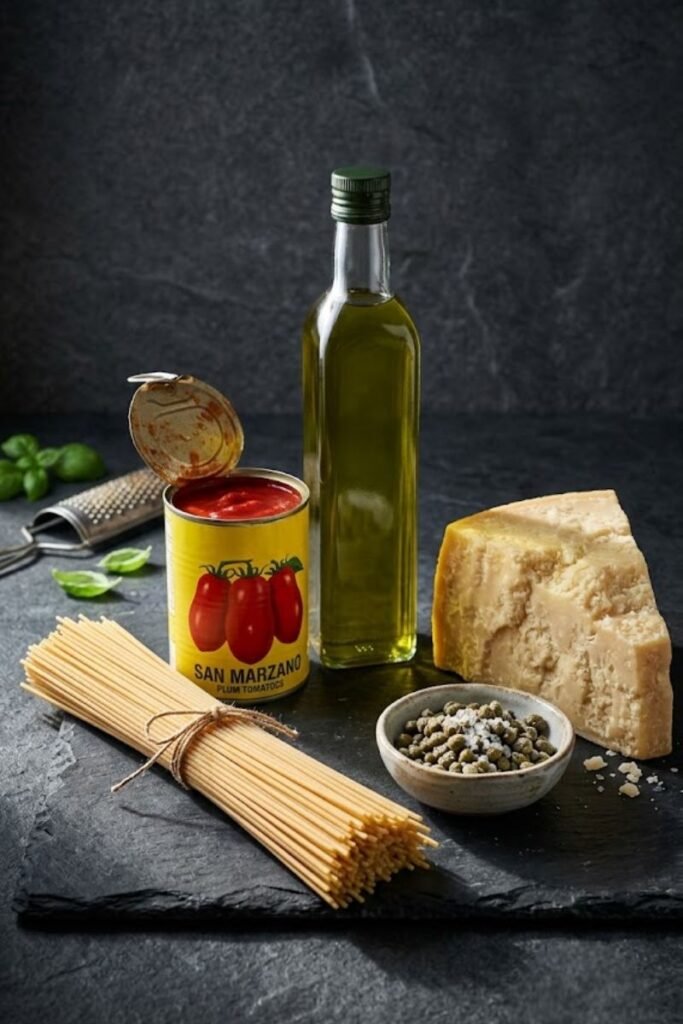
When I step onto my station after a long shift, organizing the absolute best italian pantry staples is the ultimate structural baseline required to drop an elite dinner on the table in under twenty minutes. Over my years of managing high-volume kitchen lines and inventory frameworks, I have treated canned preserves, dry grains, and cold-pressed fats as strict culinary assets rather than basic groceries.
Whenever I see amateur home cooks open a pantry door and find nothing but dry, processed crackers and watery commercial pre-made sauces packed with heavy corn syrup, it completely breaks my heart. Watching your family struggle to build a clean dinner from low-quality, shelf-stable boxes shows how poor shopping choices instantly compromise your home workspace.
For me, delivering a true restaurant-quality meal simply requires stocking a tight network of unrefined, high-acid ingredients that require minimal stovetop manipulation to generate massive flavor depth. This continuous quality control ensures your weeknight pan sauces emulsify smoothly, a material standard I maintain when tracking raw oil-to-herb flavor transitions inside my guide on Spaghetti Aglio e Olio e Peperoncino Pasta.
The High-Lipid Solvent of the Tuscan Station
To understand why your ingredient shelves dictate the entire flavor outcome of your cooking, you must examine lipid absorption and acid concentration boundaries. The single most important cornerstone of your home inventory setup is a bottle of high-density extra virgin olive oil. This cold-pressed fruit fat does not simply serve as a non-stick coating for your heavy skillet wells.
It functions as a powerful organic solvent that actively pulls out fat-soluble flavor compounds from garlic cloves and red pepper flakes. When you heat this raw lipid base over a low flame, the warm oil absorbs the aromatic essence of your herbs smoothly. This quick molecular transfer forms a rich, fragrant medium that acts as the starting point for almost every quick skillet reduction.
Without this unrefined oil sitting in your cupboard, you cannot properly transfer flavor from your aromatics to your starches. Cheap vegetable oils completely lack the peppery polyphenols needed to tie separate ingredients together. Investing in authentic, estate-bottled extra virgin olive oil ensures your fast sauces look glossy and taste incredibly rich without requiring heavy cream.
The Serious Eats Blueprint for Shelf-Stable Acids and Proteins
The operational secret to throwing together an authentic Italian masterpiece on a busy evening lies in avoiding industrial fillers and tracking material specifications. I follow the strict canning metrics, sodium curves, and starch concentration scales documented inside the official Serious Eats Quick Pantry Guides Directory to keep my sauce foundations pristine.
- San Marzano Tomatoes: Look for official DOP stamps on the metal lid. These whole plum tomatoes feature thick walls and a low seed count, melting down into a sweet, non-watery glaze within ten minutes.
- Bronze-Cut Pasta: Choose dry boxes showing a rough, chalky skin. This coarse surface texture releases clear starches into your boiling water, binding your pan lipids into a glossy coat that clings to the grain.
- Salt-Packed Capers: Avoid mushy, chemically brined vinegar jars. Salt-packed variations preserve the firm internal cell walls of the flower bud, providing a crisp burst of floral acidity that wakes up heavy fats.
Keeping these three pillars locked inside your cupboard gives you total defensive control over unexpected dinner rushes. These elements require zero defrosting time, allowing you to move from dry storage directly into active pan reductions without long kitchen setups.
Blending Hard Dairy Crystals into Glossy Skillet reductions
The final law for successfully utilizing your shelf assets requires locking down your temperature controls right before your plates hit the dinner table. Keep a dense block of authentic Parmigiano-Reggiano wrapped tightly in parchment paper inside your lower refrigerator drawer. This aged cow’s milk wheel is saturated with natural glutamate crystals, providing a massive punch of savory depth that salt shakers cannot mimic.
Never buy pre-grated plastic tubs, as industrial cheese factories dust the shards with cellulose powder to prevent clumping, which ruins your sauce emulsion. When your hot pasta ribbons are just short of al dente, drag them straight into your warm tomato and garlic fat base. Ladle a splash of your cloudy, starchy boiling water across the wheat.
Shake the skillet vigorously over medium heat to encourage emulsification. This active mechanical tossing forces the loose oils and starchy waters to cross-link, turning separate liquids into a thick, uniform glaze. Remove the pan completely from the fire before dusting your finely grated cheese over the hot noodles.
This sudden drop in thermal energy allows the dairy fats to melt smoothly into the starch blanket without breaking into an unappealing, greasy puddle. I know my pantry reduction strategy is fully successful when the glossy sauce forms a velvety coat across every single noodle.
Taking the extra five minutes to check your grocery labels and regulate your pan fats keeps your home kitchen running like an elite regional line. This careful inventory management ensures your weeknight meals maintain an exceptional bite, delivering a flawless restaurant-grade dinner to your table on the busiest evenings.