
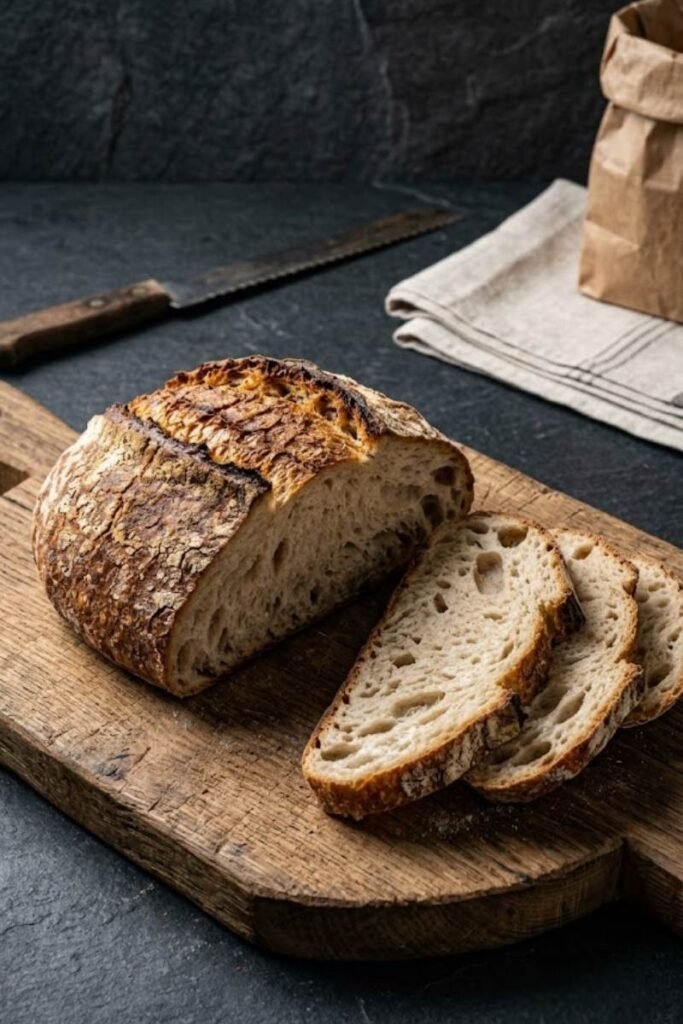
When I pull a beautiful, fragrant loaf of artisan wheat out of my kitchen oven, mastering how to keep homemade italian bread fresh is the absolute ultimate rule required to prevent your crisp crust from turning into a rock-hard brick by the next morning.
Over my years of baking rustic tableside slices, I have treated internal crumb retrogradation and crust moisture translation as serious starch chemistry equations rather than simple matters of luck.
Whenever I see amateur home cooks seal a warm, steaming loaf straight inside an airtight plastic storage bag and wonder why their crunchy crust disintegrates into a soft, leathery sponge within hours, it hurts the grain. Witnessing that soggy degradation shows how poor air handling ruins the bake.
For me, delivering a true restaurant-quality chew days down the line requires managing exactly how water moves across your crumb walls. Always utilize breathable physical shields and freeze your excess inventory before starch crystallization sets in.
Why Plastic Storage Wraps Trigger Instant Starch Collapse
To understand why a common plastic storage pouch destroys an artisan loaf of bread so aggressively, you have to look closely at the physical mechanics of moisture translation inside unpreserved wheat structures. Commercial grocery store loaves stay soft for weeks because they are packed with artificial chemical emulsifiers, seed oils, and enzymes that artificially stall staling.
Authentic homemade Italian loaves contain only four pure ingredients: flour, water, yeast, and salt. When this lean dough bakes, the internal starches gelatinize and trap water molecules tightly inside the crumb net.
The exact second the loaf exits the heat, that trapped moisture begins migrating slowly outward from the soft center crumb toward the dry, porous crust wall. If you seal the loaf inside non-porous plastic wrap, you trap this escaping water vapor directly inside the narrow air boundary between the crust and the plastic shield.
This moisture pooling instantly softens the crisp starch structure of the outer crust, turning it into a tough, leathery skin while creating a high-humidity greenhouse environment that breeds wild mold spores rapidly.
I monitor these exact moisture-bleeding boundaries constantly when protecting high-hydration starch structures on my bench, an environmental fluid rule I track closely inside my guide on handling an Over-Proofed Dough Rescue.
Without a breathable barrier working effectively across your counter space, the internal starches quickly crystallize, a process called retrogradation that turns the soft crumb chalky and dry before you can slice it into your soupwell.
The Cut-Side Down Board Hack for Balanced Room Respiration
My absolute baseline technical rule for preserving a sliced loaf of rustic bread relies on building a simple, self-regulating storage shield right on your kitchen counter space. I follow the strict moisture mitigation scales, crumb exposure rules, and ambient storage guidelines documented inside the official Serious Eats Bread Staling and Storage Guide to manage my kitchen pantry safely.
When you slice your first few rounds for dinner, never leave the exposed, open crumb interior sitting upright to face open kitchen air currents, as moving air will dry out the exposed water molecules within an hour. Instead, flip the remaining loaf vertically and place the flat, cut face directly onto the heavy surface of a thick wooden cutting board or breadbox floor.
The weight of the loaf forms a natural, airtight seal against the smooth wood, completely blocking dry room air currents from contacting the vulnerable interior crumb matrix. At the same time, the porous un-sliced outer crust remains exposed to the room air, allowing tiny amounts of internal moisture vapor to escape slowly without pooling or ruining the crunch.
This simple geometry trick keeps the soft center pliable and the outer shell crisp for up to three full days without using a single piece of disposable wrapping plastic.
The Deep Freeze Slicing Strategy for Long-Term Security
The final law for successfully managing your long-term bread inventory requires bypassing your household refrigerator entirely if you cannot finish the loaf within seventy-two hours. Scurrying to slide an opened loaf onto a cold refrigerator shelf is the worst mistake you can make; temperatures running between thirty-six and forty degrees accelerate starch crystallization up to six times faster than room climate boundaries, instantly turning your soft crumb stale and crumbly.
If you realize your household cannot finish the bake quickly, use a long serrated bread knife to slice the remaining portion into uniform, individual pieces before committing them to long storage. Stack the independent slices back together, wrap the bundle tightly in heavy-duty aluminum foil to block ice crystals, and slide the package into a heavy freezer zip-top bag.
When you hit a busy weeknight, you can pull exactly one or two slices straight from the freezer bag and drop them directly into your kitchen toaster or a warm oven rack at 350°F for five minutes. This quick thermal blast instantly melts the crystallized starches back into a soft, gelatinized state, perfectly restoring a soft interior and a shattering outer crust that mimics a fresh morning bake.
I know my asset management is completely successful when the thawed slices hold up beautifully under heavy garlic spreads or fold cleanly without crumbling apart into dry dust on the plate. Taking the extra three minutes to manage your counter posture and utilize deep-freeze portioning is the ultimate secret to keeping your artisan baking elite.